
Samuda Says Illegal Charcoal Cutting Is Jamaica’s Main Mangrove Threat
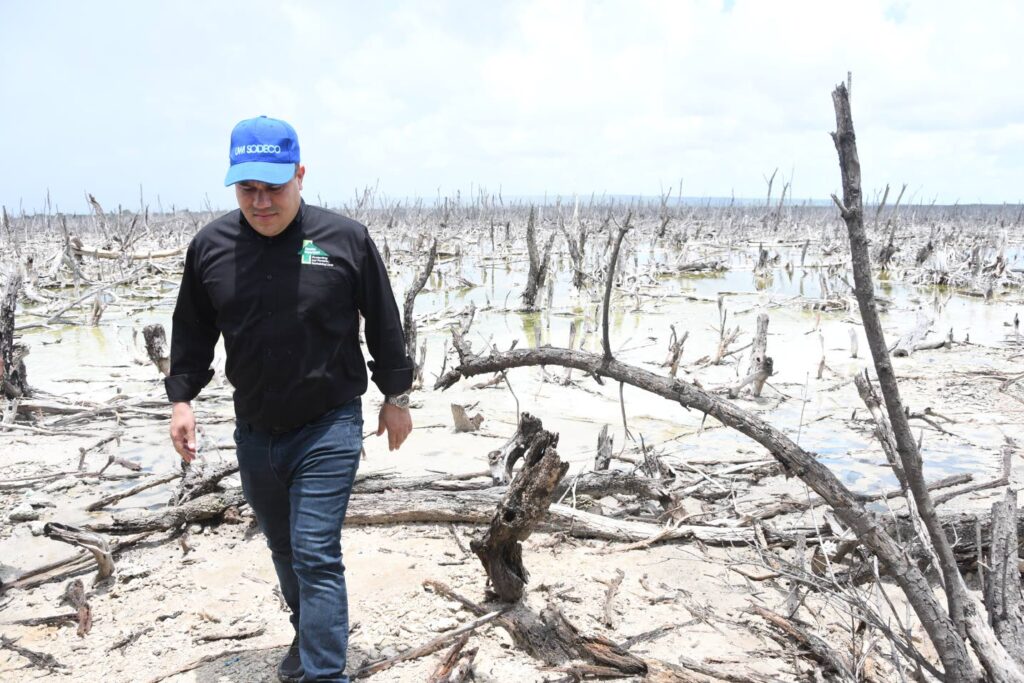
CORAL SPRING, Trelawny — Minister of Water, Environment and Climate Change Matthew Samuda says Jamaica’s mangroves are under their greatest pressure from illegal cutting for charcoal, even though public debate often focuses on coastal construction.
Speaking on Friday at the Rotaract District 7020 Conference at Ocean Coral Spring Resort in Trelawny, Samuda said stronger livelihoods and broader economic progress are needed if the country is to safeguard those coastal ecosystems.
“The biggest issue affecting our mangroves is the illegal cutting of them to be used for firewood,” said Samuda. “If you don’t reduce poverty, mangroves become charcoal, and that’s where we have significant degradation of our mangrove forest — not from housing developments or commercial developments,” he added while answering questions at the conference.
Samuda said the most serious damage has not been concentrated in north coast communities that depend heavily on tourism. Instead, he pointed to stretches of the south coast, naming southern Clarendon, St Catherine, Manchester, and St Elizabeth as areas where mangroves that once covered large sections have been affected by people cutting wood for charcoal.
He said those southern ecosystems are particularly valuable because mangroves help cushion communities from storm surges.
The minister also raised concern about how careless garbage disposal weakens mangrove systems. He explained that when waterways are blocked, the normal movement and blending of fresh water and seawater is interrupted, making it harder for mangroves to thrive.
Samuda was responding to a conference participant who stressed the need to protect Jamaica’s shoreline and asked whether Rotaract clubs could partner on mangrove nurseries and restoration projects. He said service groups have an important place in that work.
“The scale of the environmental challenges we face cannot be managed solely by the Government. Groups like Rotaract are absolutely critical stakeholders if we’re going to mobilise all of society,” said Samuda.
He added that community figures, churches, civil society organisations and service clubs are often better positioned than State agencies to encourage residents to take part in national programmes.
Samuda said government bodies also face budgetary and practical limits, making partnerships with volunteers and community organisations necessary. “We have to look at maintaining the water canals, which in many cases the National Works Agency, the parish councils, and the National Solid Waste Management Authority simply don’t have the capacity to do on their own,” he said.
He welcomed clean-up projects and other work designed to repair mangrove areas and keep waterways open. Samuda also backed the idea of Rotaract clubs and other partners helping to establish mangrove nurseries.
“If there’s an investment that can be made in establishing a mangrove nursery, we would certainly welcome Rotaract as a partner,” Samuda said. “I think there’s a role for Rotaract,” he added.
The minister pointed to mangrove restoration work by the Alligator Head Foundation in Portland and marine biology programmes at The University of the West Indies as examples already showing results.
He also said Jamaica participates in the international Mangrove Breakthrough coalition. Funding through that initiative is expected to assist restoration work involving groups including The UWI, the Caribbean Coastal Area Management Foundation in Clarendon, and the Alligator Head Foundation.
Syndicated from Jamaica Observer · originally published .
Legal context · powered by Jurifi
Get the legal angle on this story. Pick a prompt and Jurifi's AI will explain it using Jamaican law.
AI replies are based on Jamaican law via Jurifi. Not legal advice.
Other coverage

Govt must follow its own evidence on Mangrove destruction
Our Today
Pit latrines biggest risk to Jamaica’s water supply, warns Samuda
Jamaica Gleaner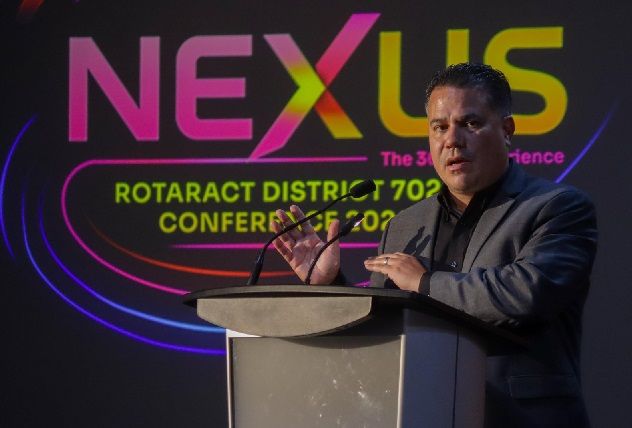
Water minister concerned about risks posed by back yard pits
Jamaica Inquirer
Water Restoration Expected by Tuesday Following Islandwide Blackout — Samuda
McKoy's News
Back to the Foreshore: Gov't Seeks to Provide Clarity on Beach Access | TVJ News
Television Jamaica (Video)Watch