Silent scars
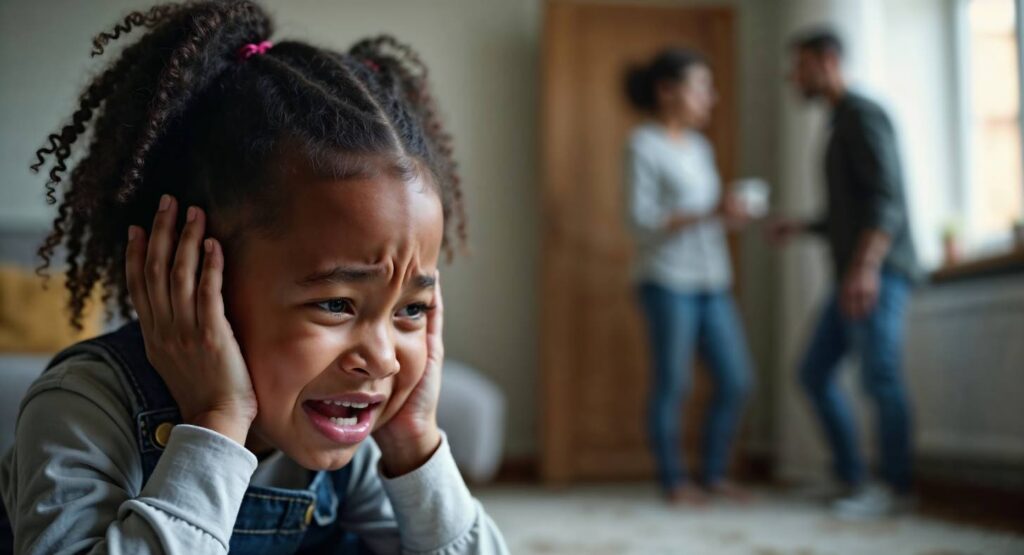
OFFICIALS attending the launch of Child Month Sunday called for stronger support systems for children, warning that studies show many adults with mental health challenges were exposed to abuse, neglect or community violence in their childhood.
Under the theme ‘Prioritise our children’s mental health; strong minds, safer future’, speakers at the launch, held at Maranatha Assembly in St Andrew, stressed the need for greater focus to be placed on emotional support, while pointing to the risks posed by neglect, abuse, and violence in communities.
Mental health coordinator Carol Baker Burke, from the Ministry of Health and Wellness, highlighted that in addition to abuse, children in Jamaica may be negatively impacted due to the disturbances caused by the COVID-19 pandemic; Hurricane Beryl, which side-swept the south-western region of Jamaica in July 2024; and Hurricane Melissa, the Category 5 storm which devastated the western end of the island in October 2025.
“This combination of factors increases the risk of children developing mental health problems or severe mental disorders. However, we can mitigate against these risks by facilitating the presence of protective factors. This includes guiding them to develop and maintain positive friendships and peer group networks; [and] helping our children improve performance and strengthen social support in our communities, schools, churches — wherever,” she said, speaking on behalf of the ministry’s Director of Mental Health Kevin Goulbourne.
Baker Burke noted that research shows that when mental illness manifests, it affects behaviour, learning outcomes, and overall development.
“The World Health Organization Plan on Adults with Mental Health Fact Sheet 2017 indicates that up to 50 per cent of mental illnesses emerge at age 14, though it takes up to 10 years for some of them to be diagnosed. Untreated mental disorders may lead to students exhibiting current and long-term difficulties in performance at school, home, and in their communities, resulting in poor academic, social, and vocational achievement,” she said.
Baker Burke stressed the need to strengthen protective factors in children’s lives, including stable family structures and supportive school environments, which she said can help to mitigate long-term risks.
Programme manager at Grace and Staff Community Development Foundation Sujae Boswell, who represented GraceKennedy (GK) Group Chief Executive Officer Frank James, said creating safe and supportive environments for children must be a priority.
As the lead sponsor of the events for Child Month, Boswell said GK has been dedicated to ensuring the well-being of children for almost six decades.
He highlighted initiatives done by the corporate entity, including counselling services and workshops aimed at equipping parents and guardians with the tools to better support children.
However, he emphasised that while professional intervention is important, the foundation for strong mental health begins within homes, families, and communities.
“I challenge each of us to look at the children in our lives — our sons, daughters, students, and neighbours — and ask ourselves how we can better support their peace of mind,” he said. “We must work together with intention and urgency to ensure that every child knows that they are seen, that they are heard, that they are valued.”
For Child Month patron Douglas Orane, the need to provide children with adequate mental health support is one of great urgency.
“In preparing for today I went online to research children’s mental health, and there are a couple things that jolted me when I saw it. I went on the World Health Organization website and the first one that hit me, it said that suicide is the third-largest cause of death worldwide in the age group 15 to 29 years. I said, ‘What!? How can that be?’ But yes, that’s because those young people are neglected as children…
“The other one that hit me [is] where it said 75 per cent of adults who have psychiatric disorders… something happened [during their childhood which was] traumatic that caused them to be damaged going forward in their lives.”
He said helping children in need of support and guidance will help to change the statistics.
“The advice that I normally give to people who complain and say, ‘Oh, in Jamaica people behave bad, especially the young people,’ I say, ‘You go and find one child, granddaughter, niece, nephew, your neighbour’s child, or go to the school that you used to go to, or just a stranger [who you can help] — because that generation, when I interact with them, there are so many of them who feel lost, and they are looking to adults like us to guide them,” he said.
Syndicated from Jamaica Observer · originally published .
Legal context · powered by Jurifi
Get the legal angle on this story. Pick a prompt and Jurifi's AI will explain it using Jamaican law.
AI replies are based on Jamaican law via Jurifi. Not legal advice.