
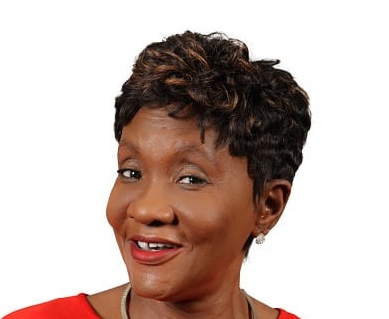
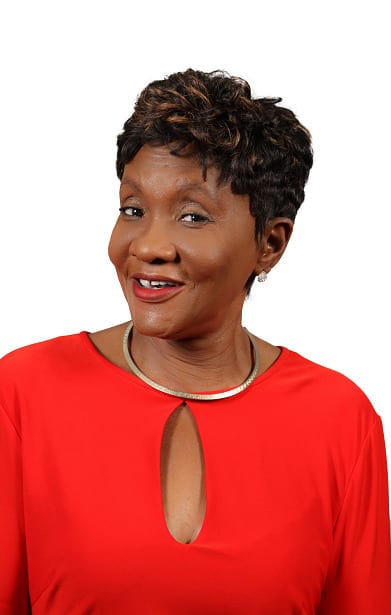
Denise Daley, MP for St. Catherine Eastern and Shadow Minister for Gender, the Elderly and Persons with Disabilities, made her sectoral presentation in Parliament last week, and it was a very good one. She is a parliamentarian to watch and is attuned to public sentiment.
Below is her full address:
Madam Speaker, it is my firm belief that the true measure of a nation is not found in the height of its buildings or the size of its economy. It is found in how it treats those who depend most upon its protection.
Today, I rise to speak on behalf of women and men, girls and boys, our senior citizens and persons with disabilities. Even though their circumstances may differ, they are united by one common expectation: that their Government should protect their rights, uphold their dignity and create opportunities for them to live safe, productive and fulfilling lives.
Madam Speaker, I now turn to the first area of my portfolio: Gender Affairs.
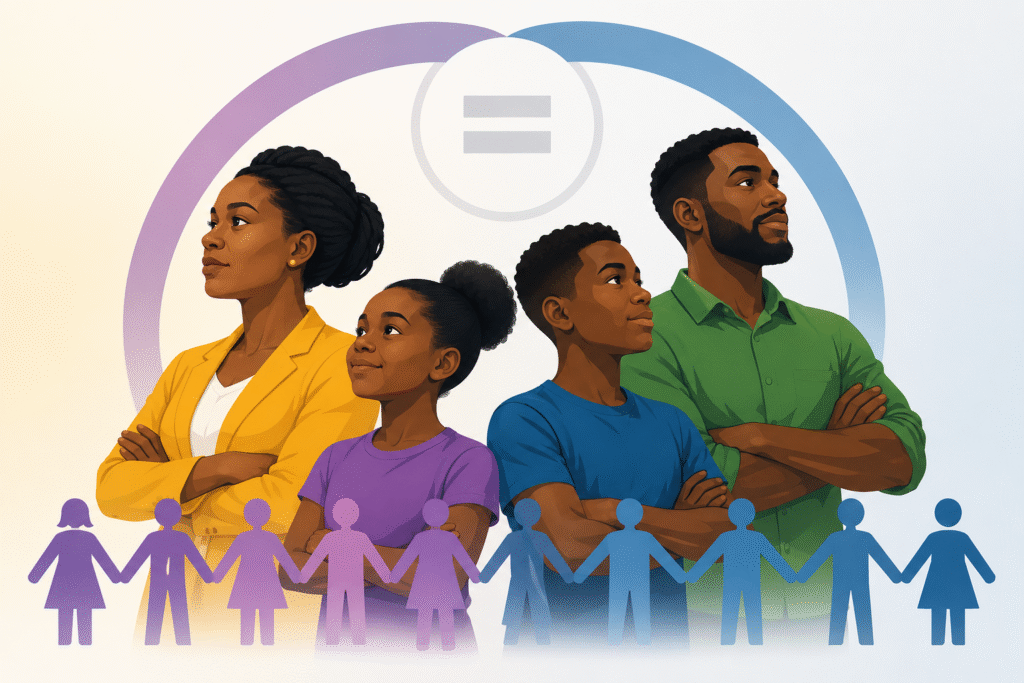
Too often, when we hear the words “gender affairs”, our minds immediately turn to women. While women continue to face significant challenges that demand urgent attention, gender affairs is not simply about women. It is about women and men. It is about girls and boys. It is about creating a society where every Jamaican has an equal opportunity to thrive, free from violence, discrimination and unnecessary barriers.
Madam Speaker, there are nineteen women serving in this Honourable House today. Yet statistics tell us that approximately one in four women will experience some form of gender-based violence during her lifetime.
Think about that for a moment. One in every four women. That means this issue is not distant from us. It affects our families, our churches, our workplaces, our communities and, perhaps, even women seated in this very Chamber.
Despite the laws, policies, and public education campaigns introduced over the years, gender-based violence continues to rob too many Jamaican women of their peace, their security and, tragically, their lives.
Madam Speaker, we have all become too familiar with the cycle. A woman is killed. The nation mourns. The headlines dominate the news. Then, like clockwork, we hear those heartbreaking words:
“She had reported him before.” “She was trying to leave.”

The warning signs were there. Yet the intervention came too late. Madam Speaker, prevention must begin long before another funeral.
It is important that we also understand the distinction between homicide and femicide. Homicide refers generally to the unlawful killing of a person. Femicide, however, refers specifically to the killing of women or girls, most often following a pattern of domestic abuse, manipulation, intimidation and violence. This distinction matters because the required solutions differ.
If we continue treating every femicide as simply another homicide, we will continue responding after lives have already been lost instead of identifying the warning signs that could prevent these tragedies. The UNFPA describes Jamaica as having the second-highest rate of femicide globally. Every woman lost leaves behind grieving and traumatised families and communities forever changed. Madam Speaker, this is why I believe it is time for Jamaica to establish a National Femicide Registry.
Such a registry would allow us to collect and analyse critical information, including previous reports of domestic violence, restraining orders, police interventions and other indicators of escalating abuse. It would enable policymakers, social workers and law enforcement to identify patterns, improve interventions and ultimately save lives.
Madam Speaker, while we must confront violence in our homes and communities, we must also acknowledge that violence has evolved. Today, abuse no longer ends when someone leaves the house. It follows them onto their mobile phones, computers, and social media accounts.
Cyberbullying has become one of the most significant threats facing our young people. We have seen lives damaged by online harassment, the non-consensual sharing of intimate images, cyberstalking and public humiliation carried out behind anonymous screens.
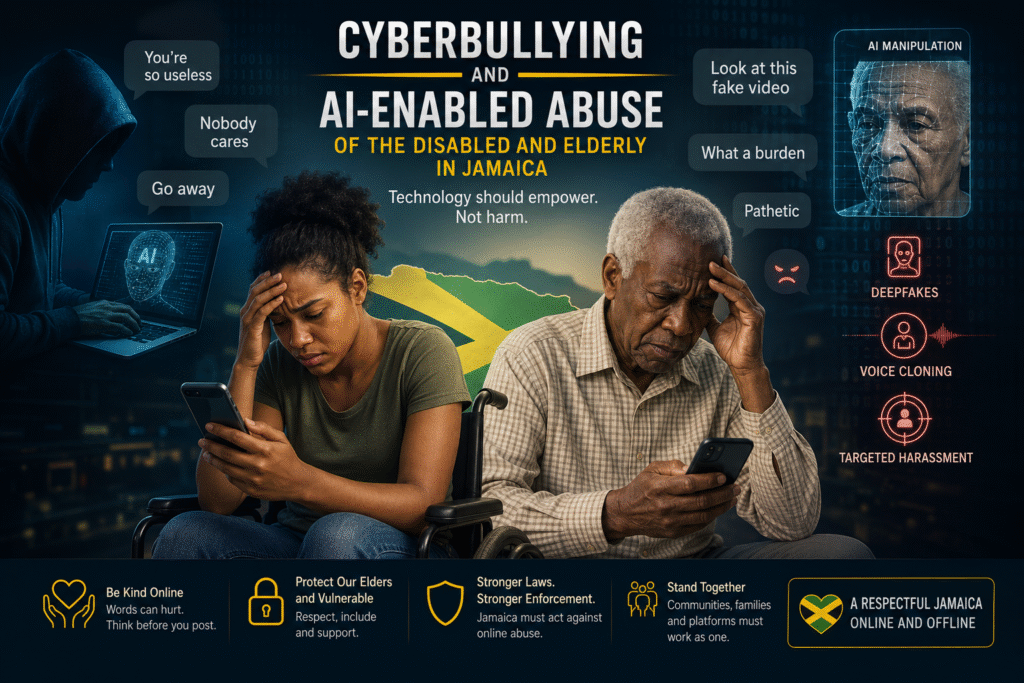
Words typed in seconds can leave emotional scars that last for years. Madam Speaker, we also cannot ignore the rapid advancement of Artificial Intelligence.
AI has enormous potential to transform every sector we can think of. However, like every powerful tool, it can also be abused. Today, women and girls have become particular targets through the creation of deepfake images and digitally manipulated content intended to humiliate, exploit and intimidate them.
Young men are also increasingly exposed to cyber fraud and harmful digital influences that shape unhealthy attitudes towards women and relationships.
Madam Speaker, technology must never outpace our values. We must begin developing legislative safeguards, public education campaigns and digital literacy programmes that equip our citizens, especially our young people, to use these technologies responsibly while protecting them from abuse.
Our schools must also become part of this conversation. Cyberbullying, digital footprints and the responsible use of AI should form part of the broader discussion about healthy relationships and responsible behaviour.
Also, Madam Speaker, as we conclude Men’s Mental Health Month, we must also confront another silent crisis unfolding across our country. Too many of our men are suffering quietly. Too many continue to battle depression, anxiety, substance abuse and emotional distress without ever seeking help. Madam Speaker, if we want healthier families, we need healthier men. If we want safer communities, we need emotionally healthier boys who grow into emotionally healthy fathers, husbands, brothers, and leaders.
That is why we must expand access to mental health services, strengthen community-based counselling, encourage mentorship programmes and continue breaking the stigma surrounding men’s mental health. Supporting boys does not lessen our commitment to girls. Supporting girls does not lessen our commitment to boys. A truly equal society leaves no one behind.
Madam Speaker, that is why gender-responsive budgeting remains so important. Public resources should reflect the different realities experienced by women, men, girls and boys. Investment in mental health, violence prevention, educational support, parenting initiatives, public awareness campaigns and services for survivors should not be viewed as expenses; they are investments in national development.
Madam Speaker, prevention must become our priority. Because prevention will always cost less than tragedy. Education will always cost less than violence. And dignity will always be the foundation of a stronger Jamaica.
The Elderly
Madam Speaker, there is an old saying that a society reveals its true character by how it treats its elderly. If that is the standard by which nations are judged, then Jamaica still has much work to do.

Our senior citizens are not simply beneficiaries of Government programmes. They are the generation that built this country. They raised families, strengthened communities and made sacrifices so that future generations could enjoy greater opportunities. They deserve our protection.
Yet, Madam Speaker, despite the growing needs of our ageing population, Jamaica still lacks dedicated legislation to comprehensively protect our senior citizens. The Elderly Care and Protection Act was first proposed in 2024. We are now well into 2026, and the legislation remains outstanding. So I ask again: where are we with this Act?
With more than 320,000 Jamaicans already over the age of sixty, and that number projected to increase significantly over the coming decades, this legislation cannot continue to gather dust.
It must provide meaningful protection against all types of abuse and financial exploitation. It must strengthen reporting mechanisms, establish minimum standards of care and ensure that those who abuse elderly persons are held accountable.
Madam Speaker, one of the greatest injustices facing many retired public servants is not something that makes newspaper headlines. A public servant may dedicate thirty, forty or even forty-five years to Jamaica. Their taxes are deducted every single month. Their statutory contributions are processed automatically. Yet when retirement comes, the system suddenly slows to a crawl. Months and even years pass.
Meanwhile, pensioners are left wondering how they will purchase medication, settle their utility bills or simply put food on the table. Madam Speaker, that is unacceptable. Retirement should not become a period of financial uncertainty after a lifetime of faithful service.
The Opposition, therefore, recommends that pension files begin the verification process at least one year before retirement. Every necessary document should be reviewed, every discrepancy resolved, and every approval completed before the employee leaves the public service.
Pension payments should commence immediately upon retirement, not months later. Madam Speaker, while we modernise the system, let us not forget those already trapped within it. There are pensioners who have waited far too long for what they have already earned. Any reform must include a plan to eliminate the existing backlog so that those currently affected are not forgotten while new retirees benefit from an improved system.
Madam Speaker, another issue deserving urgent attention is the impact of inflation on our pensioners. As the cost of living continues to rise, many fixed-income pensioners find that the value of their pension steadily diminishes.
A pension that once provided security can gradually become insufficient to meet even the most basic needs. Madam Speaker, since they lived to see pension age, we shouldn’t try to kill them quickly because they can’t afford it.
We must therefore examine whether additional safeguards are necessary to ensure that pensioners are not pushed below the poverty line simply because the cost of living continues to outpace their income.
Madam Speaker, another issue receiving far too little attention is the growing digital divide. Increasingly, banking services, pension applications, Government forms and essential public services are moving online.
Technology undoubtedly brings efficiency. However, efficiency should never come at the expense of accessibility. Many senior citizens do not even own a phone, much less a smartphone. Others do not have reliable internet access. Many have never received formal digital literacy training.
As a result, they often find themselves standing outside cashless banking facilities, confused and frustrated, trying to access money that belongs to them. Some are forced to hand over their bank cards and reveal their PINs to relatives they don’t trust, neighbours, or complete strangers because they simply have no alternative.
Madam Speaker, no Jamaican should have to compromise their financial security simply to access their own pension. Cashless banking must never become people-less banking. Nor should it become defenceless banking.
We therefore recommend that every cashless banking facility and every Government office providing digital services have trained customer service representatives available throughout banking hours to assist elderly persons requiring support.
These officers should be clearly identified, and signs should be prominently displayed so that senior citizens know assistance is available.
Support should never depend upon luck or the kindness of strangers. It should be part of the service itself.
Madam Speaker, Elder abuse also remains a growing concern. Financial exploitation. Emotional abuse. Neglect. Physical abuse. Madam Speaker, the elderly among us are not asking for special treatment. They are asking for fairness and dignity. They have already done their part. It is now our turn to do ours.
Persons with Disabilities
Madam Speaker, I now turn to a very emotional topic for me: Persons with Disabilities
Every Jamaican deserves the opportunity to live with dignity, independence and equal access to opportunity. That principle must apply regardless of a person’s physical ability, intellectual ability or any other disability.
Unfortunately, for too many Jamaicans living with disabilities, equality remains more of an aspiration than a reality.
Madam Speaker, the Disabilities Act represented a significant step forward for our country. However, legislation alone does not transform lives. It must be reviewed, strengthened and implemented.
The Act clearly provides that a Joint Select Committee review should take place no later than three years after it came into force. Since the Act became effective on 14 February 2022, that review should have been completed by 14 February 2025.
Yet, Madam Speaker, we are now well into 2026. The review remains outstanding.
Indeed, even the committee responsible for conducting that review has not yet been established. So I ask the Government: how much longer must persons with disabilities wait?
How much longer must families wait?
How much longer must children wait?
Surely the rights of persons with disabilities cannot simply be placed on hold.
Madam Speaker, accessibility remains one of the greatest barriers confronting persons with disabilities. Too many Government buildings remain inaccessible to wheelchair users, including this Parliament.
Too many entrances still have steps where ramps should be. Too many public facilities remain difficult, or in some cases impossible, to navigate independently. Accessibility cannot be viewed as an option; it is a right.
The Opposition therefore proposes that the Jamaica Council for Persons with Disabilities undertake comprehensive accessibility audits of every Government facility, with clear timelines for corrective action. By the end of this financial year, every Government ministry, agency and public building should have a published accessibility improvement plan.
Madam Speaker, inclusion requires more than good intentions. It requires deliberate action.
One of the issues that touched me most while preparing this presentation was hearing from a mother whose child is still waiting to be assessed for a disability. Madam Speaker, this child should now be preparing for secondary school. Instead, valuable years have been lost while the family waits for an assessment.
No child should lose years of learning because the system moved too slowly. Every month a child waits for assessment is another month of delayed intervention, delayed support and delayed opportunity.
Early diagnosis changes lives. Early intervention changes futures.
That is why the Opposition is calling for scholarships to encourage more teachers and professionals to pursue specialist training in disability assessment, special education, speech therapy, occupational therapy and educational psychology.
We simply do not have enough trained professionals to meet the growing demand.
Madam Speaker, The Hope Experimental School has served generations of Jamaican children with disabilities with distinction. Its contribution to our country cannot be overstated. However, one school cannot carry the burden for an entire nation.
I therefore recommend that at least two schools in every parish be identified, upgraded and fully equipped to accommodate children with disabilities. These schools should receive the necessary physical infrastructure, specialised equipment, and assistive technology. It doesn’t even need to be the full school; it can be at least two classrooms, and trained personnel to provide inclusive education while supporting integration with the wider education system wherever appropriate. No parent should be forced to travel across parish boundaries simply because suitable educational facilities do not exist closer to home.
Madam Speaker, before I take my seat, permit me to make one final observation. Our nation is presently engaged in an important conversation regarding the proposed Third Country Arrangement. As we participate in that discussion, I encourage every Member of this Honourable House to revisit the autobiography of one of Jamaica’s literary giants, Claude McKay, entitled A Long Way from Home.
Although it chronicles his personal journey across nations and continents, at its heart it is a story about identity, belonging, displacement and the universal search for dignity. It reminds us that behind every policy, every debate and every headline are human beings people with hopes, fears, families and dreams. As legislators, may we never become so consumed by policy that we lose sight of the people those policies affect.
Whether we are debating women seeking protection from violence, elderly citizens seeking security after a lifetime of service, persons with disabilities seeking equal opportunity or vulnerable migrants seeking humane treatment, our decisions must always be guided by justice, compassion and respect for human dignity. That is the Jamaica we should all strive to build. I thank you.
Syndicated from Our Today · originally published .
Legal context · powered by Jurifi
Get the legal angle on this story. Pick a prompt and Jurifi's AI will explain it using Jamaican law.
AI replies are based on Jamaican law via Jurifi. Not legal advice.