
Iran and US exchange strikes as Trump rejects Hormuz shipping deal report
Iran’s Islamic Revolutionary Guard Corps said Thursday that it attacked a base used by United States forces after American strikes on an Iranian site close to the Strait of Hormuz, adding new pressure to a shaky ceasefire while efforts to end the war continue.
“Following this morning’s aggression by the invading US military against a location on the outskirts of Bandar Abbas Airport using aerial projectiles, the American air base that served as the source of the attack was targeted at 4:50 am (0120 GMT),” the IRGC said, according to Iranian state broadcaster IRIB.
The IRGC did not identify where the base was located. Kuwait’s military, however, said Thursday that its air defence units were responding to an “enemy” assault. Iran’s Tasnim news agency reported that the IRGC described its strike as retaliation for an early-morning US attack near Bandar Abbas airport.
A US official, speaking anonymously to Reuters, said American forces had brought down four Iranian attack drones and hit a ground control station in the port city of Bandar Abbas that was preparing to send up a fifth drone.
“These actions were measured, purely defensive and intended to maintain the ceasefire,” the official said.
Al Jazeera correspondent Resul Serdar, reporting from Tehran, said the latest exchange had not led either side to declare the ceasefire finished. “This is the third time since the ceasefire’s announcement that they have directly engaged militarily,” he said.
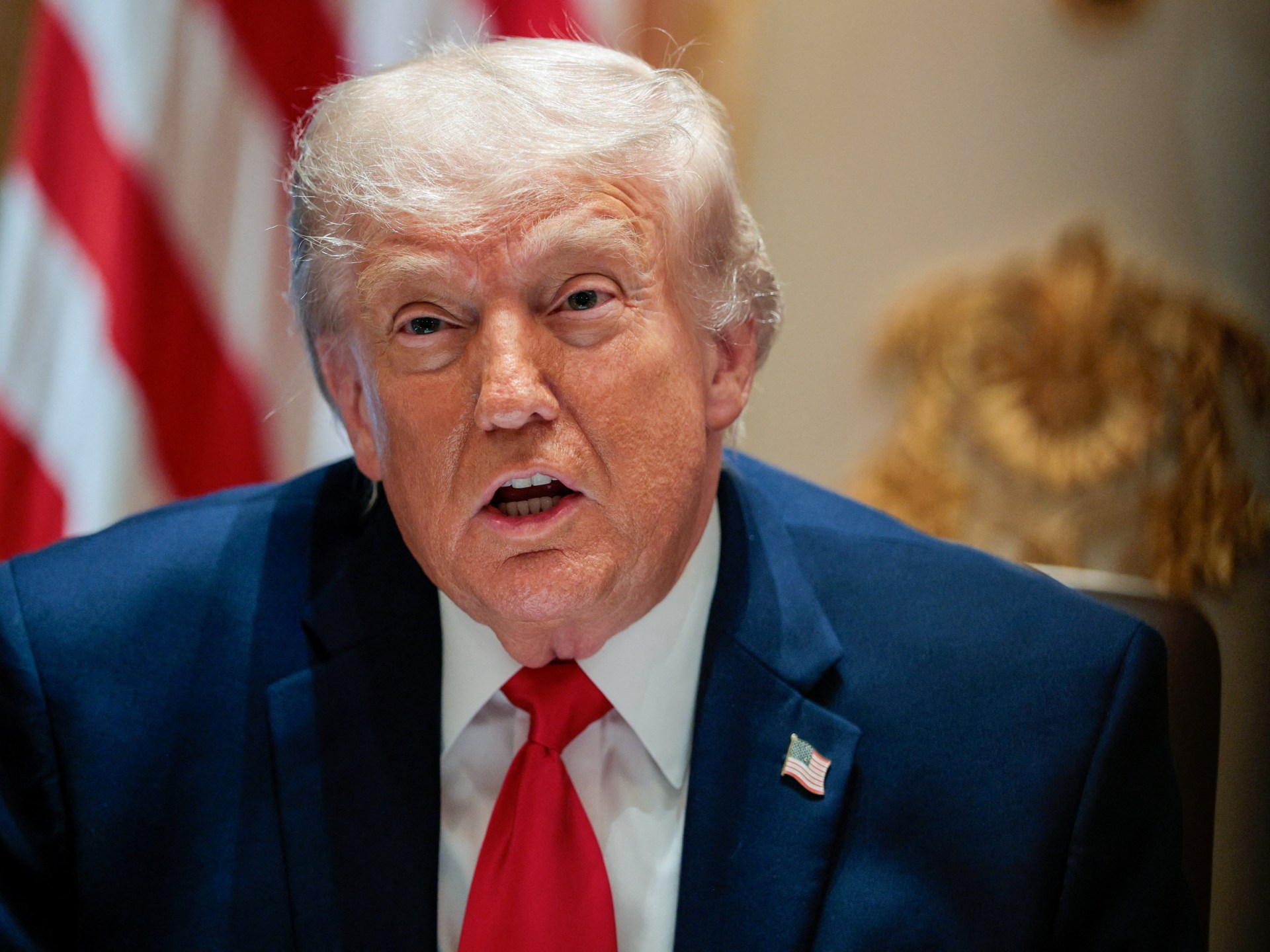
At a White House cabinet meeting Wednesday, US President Donald Trump said his administration was making progress in talks aimed at ending the war, but he pushed back against a report suggesting Washington and Tehran were nearing a compromise.
The report, carried by Iranian state television, said an unofficial draft agreement had been obtained that would return commercial shipping through the strait to pre-war levels within one month, with Iran and Oman jointly overseeing traffic.
Trump insisted that no country would be allowed to control the waterway and appeared to issue a warning to Oman, a longtime US military and economic partner. “Nobody’s going to control (the strait),” Trump said. “It’s international waters and Oman will behave just like everybody else or we’ll have to blow them up. They understand that, they’ll be fine.”
Trump also said he was not satisfied with any possible agreement with Iran and that Washington was not discussing sanctions relief.
Oil markets reacted to the renewed fighting. After dropping more than 5 percent Wednesday, oil prices climbed again following reports of the military escalation. US crude futures rose by more than 3 percent, while stock markets weakened and the dollar strengthened.
Ebrahim Azizi, who chairs the Iranian parliament’s national security committee, said Trump’s “rhetoric” would not make Iran abandon its demands to enrich uranium, exercise authority over the strait and secure the removal of sanctions.
“It is obvious Trump, seeking a way out of this strategic deadlock, alternates between issuing threats and appealing for an agreement,” Azizi said Wednesday on X.
Iranian state television’s report on the proposed framework also said the US would end its blockade of Iranian ports and pull military forces away from areas near Iran.
Doug Bandow, a senior fellow at the Cato Institute, said the central US-Iran confrontation had shifted to economics, with competing blockades now affecting the Strait of Hormuz.
“Trump is in a very difficult position. He has inadvertently given Iran a very powerful weapon by closing the Strait of Hormuz, and he’s not willing to risk US ships to try to open it,” Bandow told Al Jazeera.
“It’s going to be hard for him not to make a deal that’s to the satisfaction of Iran,” he added.
Syndicated from Jamaica Inquirer · originally published .
Legal context · powered by Jurifi
Get the legal angle on this story. Pick a prompt and Jurifi's AI will explain it using Jamaican law.
AI replies are based on Jamaican law via Jurifi. Not legal advice.
Other coverage
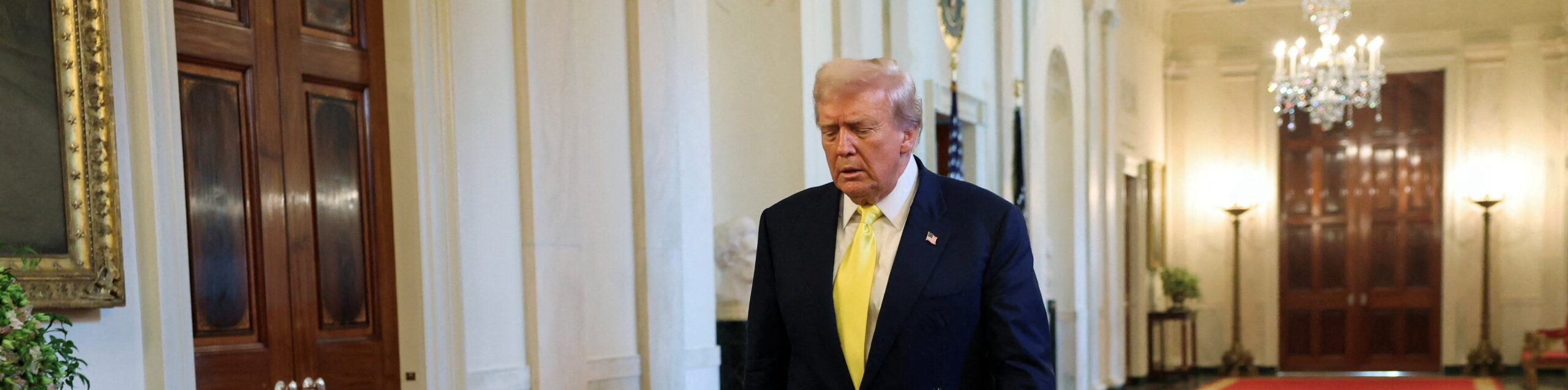
If Oman is unwilling to help open the Strait of Hormuz we will have to blow them up-Trump
Our Today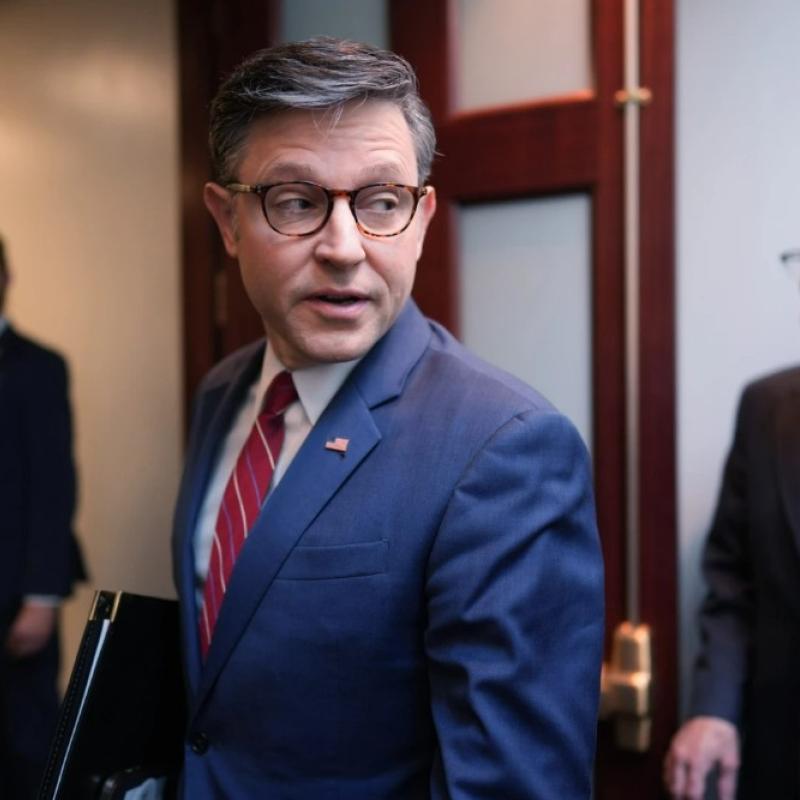
US House approves war powers resolution to halt military action against Iran, in a rebuke of Trump
Jamaica Gleaner
Oil Prices Slide as Hopes Grow for US-Iran Peace Deal
ZIP FM
Analysts read political messages in US-Cuba as CARICOM speaks up
Jamaica GleanerAnalysts read political messages in US-Cuba rift as CARICOM speaks up
Jamaica Gleaner