
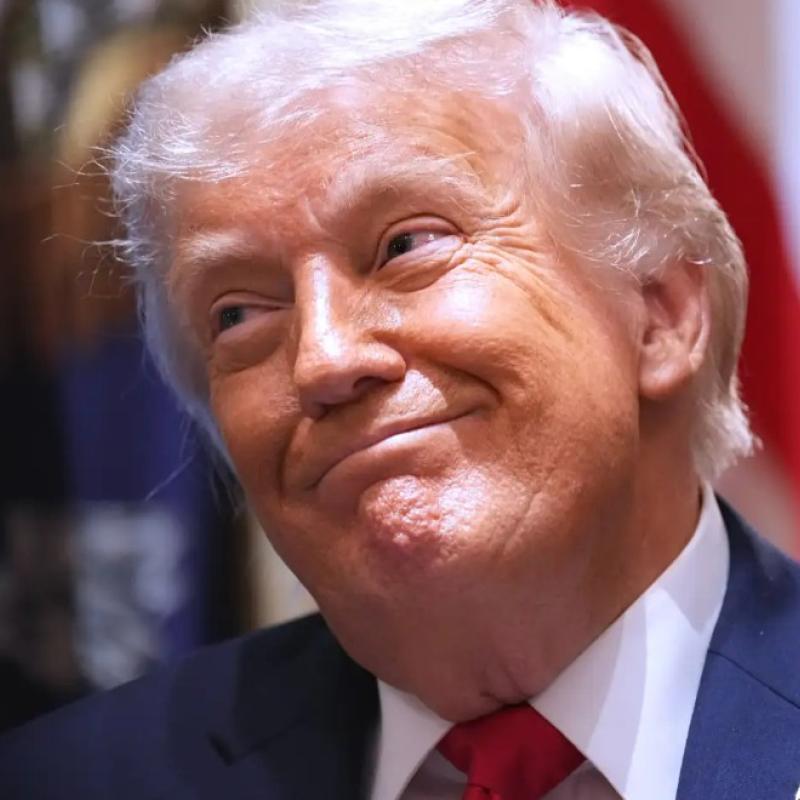
Trump Announces Iran Deal to End War and Reopen Strait of Hormuz
United States President Donald Trump said Sunday that Washington and Tehran have agreed on terms to stop the war and reopen the Strait of Hormuz, a move he presented as a boost for the world economy after more than three months of fighting.
“Congratulations to all!” Trump posted on social media, giving no specifics on the arrangement. He also wrote, “Ships of the World, start your engines. Let the oil flow!”
The agreement is scheduled to be signed Friday in Switzerland. Officials have not said how soon vessels would again be able to move freely through the strait. Washington had earlier indicated that, as the passage resumes operations, it would scale back its blockade of Iranian ports and loosen sanctions so Iran could export more oil and rebuild its damaged economy.
Pakistan first made the announcement. Trump later said a deal with Iran was in place and that he had approved the lifting of the US naval blockade on Iranian ports in the Strait of Hormuz.
Iranian state media carried Pakistan’s announcement after a day of fresh tension, as Israel, excluded from the negotiations, struck Beirut’s southern suburbs and raised fears that the nearly completed talks could be disrupted.
“Both sides have declared the immediate and permanent termination of military operations on all fronts, including in Lebanon,” Pakistan said. It added that mediators would help organise meetings this week to “lay the foundation for the technical talks.”
The arrangement largely restores the situation that existed before the conflict, though only after thousands of deaths and with Iran now holding fresh leverage because of its influence over shipping through the strait. The route is vital for large volumes of oil, natural gas and products such as fertiliser, and its near shutdown sent shockwaves through the global economy.
When the US and Israel opened the war on February 28 with attacks that killed Iran’s supreme leader, Ayatollah Ali Khamenei, they named several objectives. Tehran still retains its missile programme, its backing for regional armed groups such as Hezbollah in Lebanon, and its stockpile of highly enriched uranium tied to its nuclear programme.
Khamenei’s son has since become supreme leader, although he has not appeared publicly since the conflict started. Iran needed his approval before accepting the deal.
Tehran had pushed for any ceasefire to cover Lebanon as well, where Israel has driven its invasion farther than at any time in more than 25 years while targeting Hezbollah. Iran has also sought access to billions of dollars in frozen funds.
The developing agreement drew strong criticism from Israel’s government and from opponents within Trump’s Republican Party. Some argued that it did not go beyond the 2015 Iran nuclear agreement, which Trump pulled the US out of during his first term and continues to call “bad.”
After the conflict erupted, Iran launched missiles and drones at Israel and several Arab Gulf states. A ceasefire took effect on April 7. The US military put the blockade in place 10 days later. A rare direct meeting between Vice President JD Vance and Iranian parliament speaker Mohammad Bagher Qalibaf ended without a breakthrough.
During the talks, Trump shifted between warnings that he could destroy Iranian infrastructure, and even its civilisation, and praise for dealings with Tehran, describing the relationship as “more professional” as his administration looked for a way out of the war ahead of US midterm elections later this year.
Iran’s leadership, managing internal pressure from hardliners while trying to replace several senior officials killed in the war, repeatedly signalled distrust of negotiations after earlier rounds last year and early this year were followed by US and Israeli strikes.
Tehran has stressed that it wanted the immediate agreement to deal with ending the war, leaving talks on its nuclear programme, the central dispute, for a later stage.
According to the International Atomic Energy Agency, Iran holds 440.9 kilograms, or 972 pounds, of uranium enriched to 60 per cent purity. That is a short technical step from the 90 per cent level considered weapons grade.
Iran has consistently said its nuclear work is peaceful. It has not publicly agreed to surrender the enriched uranium, which is believed to be buried beneath three nuclear facilities heavily damaged by US attacks last year.
At some points, Washington pressed for the enriched uranium to be taken out of Iran under any settlement. Russia has offered to receive it. Trump has also said at other times that he wanted the uranium destroyed.
Syndicated from Jamaica Gleaner · originally published .
Legal context · powered by Jurifi
Get the legal angle on this story. Pick a prompt and Jurifi's AI will explain it using Jamaican law.
AI replies are based on Jamaican law via Jurifi. Not legal advice.
Other coverage
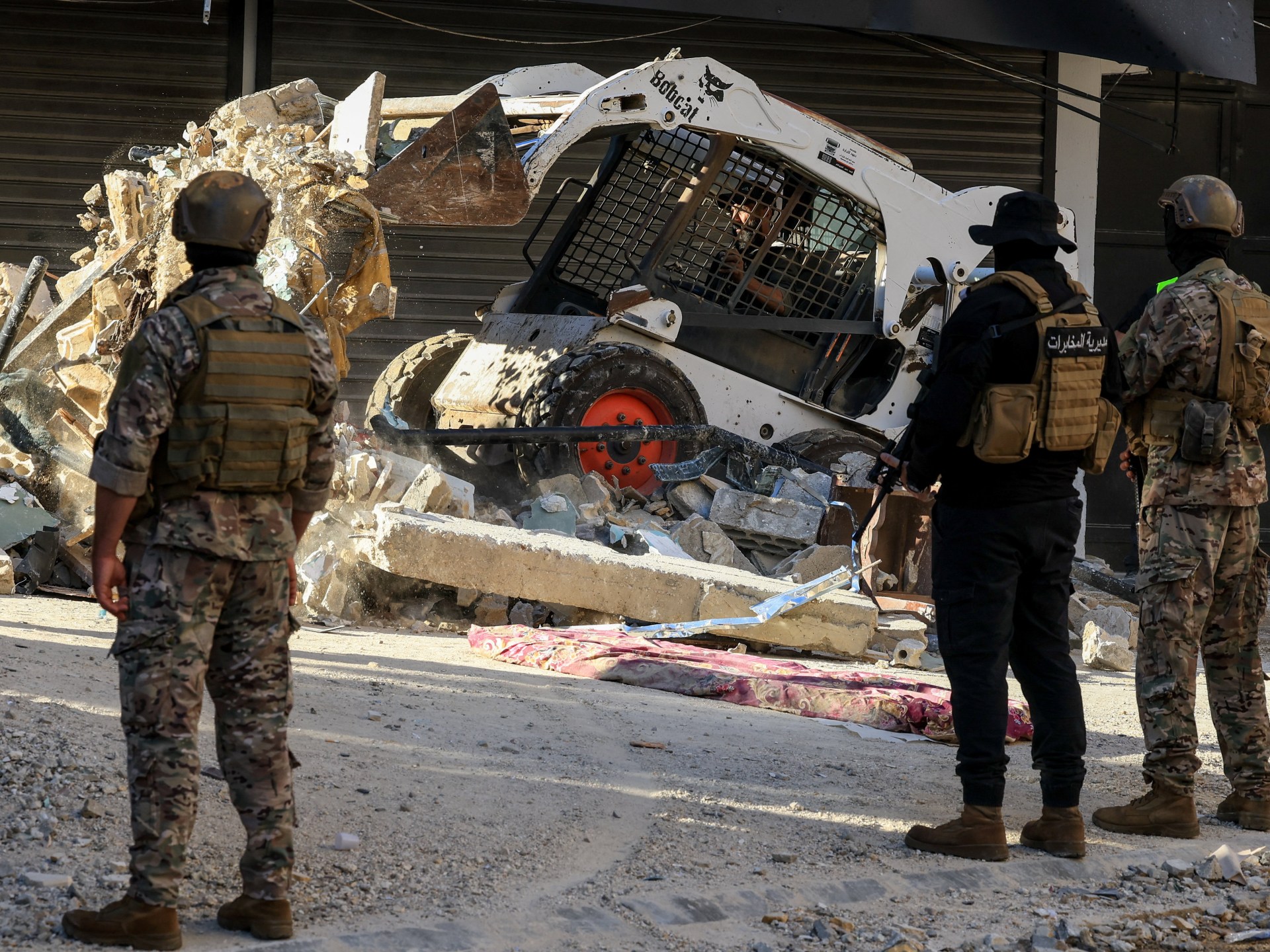
Iran war day 101: Tensions escalate as Iran and Israel trade air attacks
Jamaica Inquirer
Iran war day 102: Trump warns Israel against new strikes as ceasefire holds
Jamaica Inquirer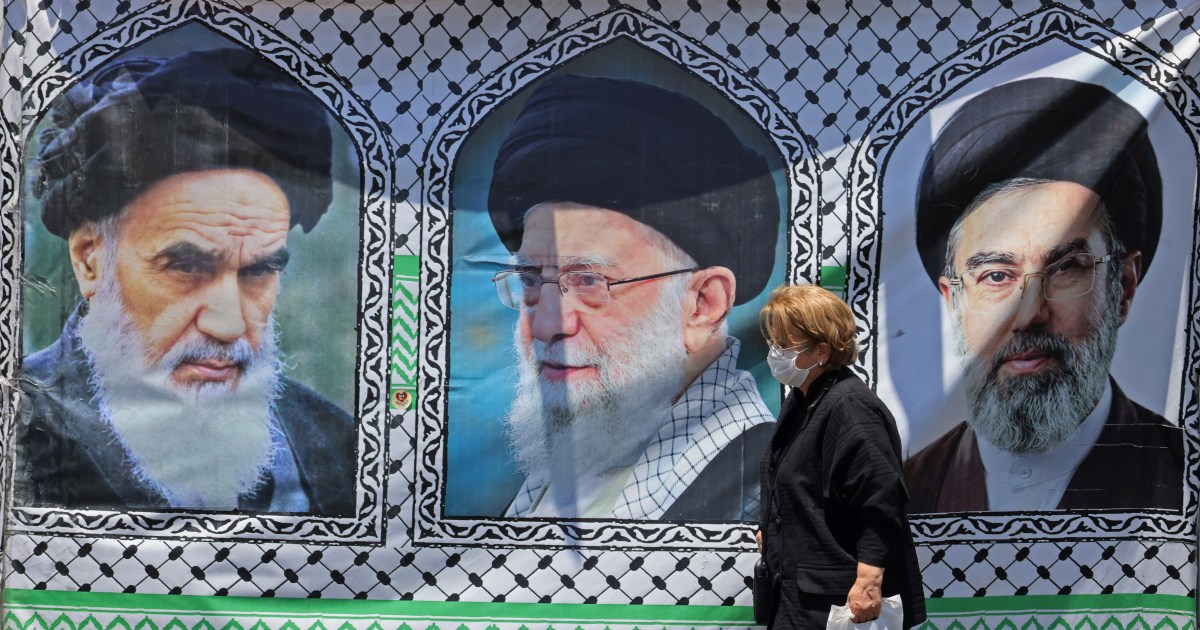
US bombs Iran’s water facilities: Why that’s so significant
Jamaica Inquirer
U.S., Iran Reach Deal to End Middle East Conflict | TVJ News
Television Jamaica (Video)Watch
Netanyahu says Israel won’t leave occupied land in Lebanon
Jamaica Inquirer