

US-Iran ceasefire framework could reopen Hormuz and restart nuclear talks
CAIRO (AP): The United States and Iran seem closer to an arrangement that could stop the fighting and restore passage through the Strait of Hormuz.
A US official with knowledge of the discussions said negotiators for both countries agreed in principle on Thursday to keep the ceasefire in place for another 60 days and begin fresh talks over Iran's nuclear programme. The war is now three months old.
Tehran had not immediately acknowledged that any pact had been reached. US Vice President JD Vance said Thursday night that a tentative understanding existed, though he added that it was not yet known whether President Donald Trump would sign off on it.
The proposed memorandum surfaced while the pause in hostilities between Washington and Tehran was showing signs of strain. US Central Command said Kuwait had intercepted missiles launched from Iran less than 24 hours before the latest diplomatic movement.
In the 12 weeks since the United States and Israel opened the conflict with strikes that killed Iran's Supreme Leader Ayatollah Ali Khamenei and other senior figures, Iran has maintained that any settlement must stop combat across every front. That demand also covers Lebanon, where Hezbollah, the Iran-backed militant organisation, has been battling Israel from the second day of the war.
The ceasefire that began April 7 has largely survived, although there have been sporadic drone and missile attacks on the United Arab Emirates and periodic exchanges in the Strait of Hormuz. Kuwait said Thursday that its air defence systems had brought down missiles and drones, but did not say what the weapons were aimed at. Iran said it was responding to earlier strikes in the week by attacking a US base in an unnamed Gulf country.
That clash followed statements from US officials late Wednesday that American forces had carried out additional operations against Iran. They said four one-way attack drones judged to be a danger near the strait were destroyed, and that a ground-control site in Bandar Abbas was hit as it prepared to send up a fifth drone.
A longer-term halt to fighting would let international shipping resume through the strait, a route used for an estimated 20 per cent of global oil movements. It would also open the way for repairs to energy systems and other damaged infrastructure around the region.
Two regional officials, speaking anonymously because of the sensitivity of the talks, said the draft text also calls for the Israel-Hezbollah war to stop and includes a pledge against meddling in the internal politics of regional states. That language points to Iran's backing for allied forces such as Yemen's Houthi rebels, Hamas in Gaza and Shiite armed groups in Iraq.
Conditions in Lebanon worsened Thursday, however, when Israel struck a southern suburb of Beirut and also hit targets in the southern coastal city of Tyre. At least 14 people were reported dead across southern Lebanon.
One regional official said Washington wants Israel to retain room to act against what it considers dangers in Lebanon, while Iran opposes that position. A US official said the arrangement would protect Israel's right to respond in self-defence to imminent threats.
At the outset, the United States and Israel said their aims were to break down Iran's nuclear programme, limit its missile programme and end support for armed groups aligned with Tehran.
But Iran's pressure on the Strait of Hormuz quickly became the most urgent international concern. The waterway had been open to commercial traffic before the war, and its disruption left hundreds of vessels carrying oil, natural gas, fertiliser and other goods stuck, driving prices up well outside the Middle East.
Under the proposal now being discussed, traffic through the strait would return in stages while the United States lifts the blockade it placed on Iranian ports on April 17, the regional officials said. The blockade has restricted Iran's oil exports and cut off badly needed revenue for an economy already under severe strain.
A US official familiar with the document, who was not authorised to speak publicly and requested anonymity, said the memorandum states that Iran cannot charge ships to pass through the strait. It also requires Tehran to clear all mines from the waterway within 30 days.
One regional official briefed on the talks said Washington would permit Iranian oil sales through sanctions waivers. The same official said wider sanctions relief and the release of billions of dollars in frozen Iranian money would be handled during the 60-day window.
At the heart of the confrontation are Iran's nuclear activities and fears abroad that Tehran could be seeking a weapon. The United States and Israel have examined complicated military options for seizing or destroying Iran's highly enriched uranium.
The possible deal would require Iran to surrender that material, the regional officials said. One official with direct knowledge of the negotiations said the method would still have to be worked out during the 60 days. Some of the uranium would probably be diluted, while the remainder would be sent to another country, the official said. Russia has offered to receive it.
A separate US official confirmed the 60-day timetable and said there would be no sanctions relief if Iran failed to give up the stockpile.
Iranian spokesperson Esmail Baghaei said, "the focus of the negotiations is on ending the war, and at this stage we are not discussing the details of the nuclear issue".
The International Atomic Energy Agency says Iran holds 440.9 kilogrammes, or 972 pounds, of uranium enriched to as much as 60 per cent purity. That is only a brief technical step away from the 90 per cent level generally considered weapons grade.
Iran says access to nuclear technology is an "inalienable" right and maintains that its programme is not military. President Masoud Pezeshkian told state television Sunday that Iran was prepared "to assure the world that we are not after a nuclear weapon".
Trump posted Monday on social media: "Negotiations with the Islamic Republic of Iran are proceeding nicely!" He added: "It will only be a Great Deal for all or, no Deal at all – Back to the Battlefront and shooting, but bigger and stronger than ever before – And nobody wants that!"
Even with those positive claims, major questions remain. They include whether Iran would be allowed to keep enriching uranium, what level of enrichment might be permitted, and what would happen to its missile programme, which Israel especially sees as a serious danger.
Although the United States and Israel went into the war expressing hope that Iranians would rise against their leaders after nationwide protests earlier in the year, any talk of replacing the government in Tehran appears to have fallen away.
Other Iranian demands previously raised in negotiations also seem absent. There is no apparent reference to pulling US forces out of the region or to compensation for destruction caused by the war.
Syndicated from Jamaica Gleaner · originally published .
Legal context · powered by Jurifi
Get the legal angle on this story. Pick a prompt and Jurifi's AI will explain it using Jamaican law.
AI replies are based on Jamaican law via Jurifi. Not legal advice.
Other coverage
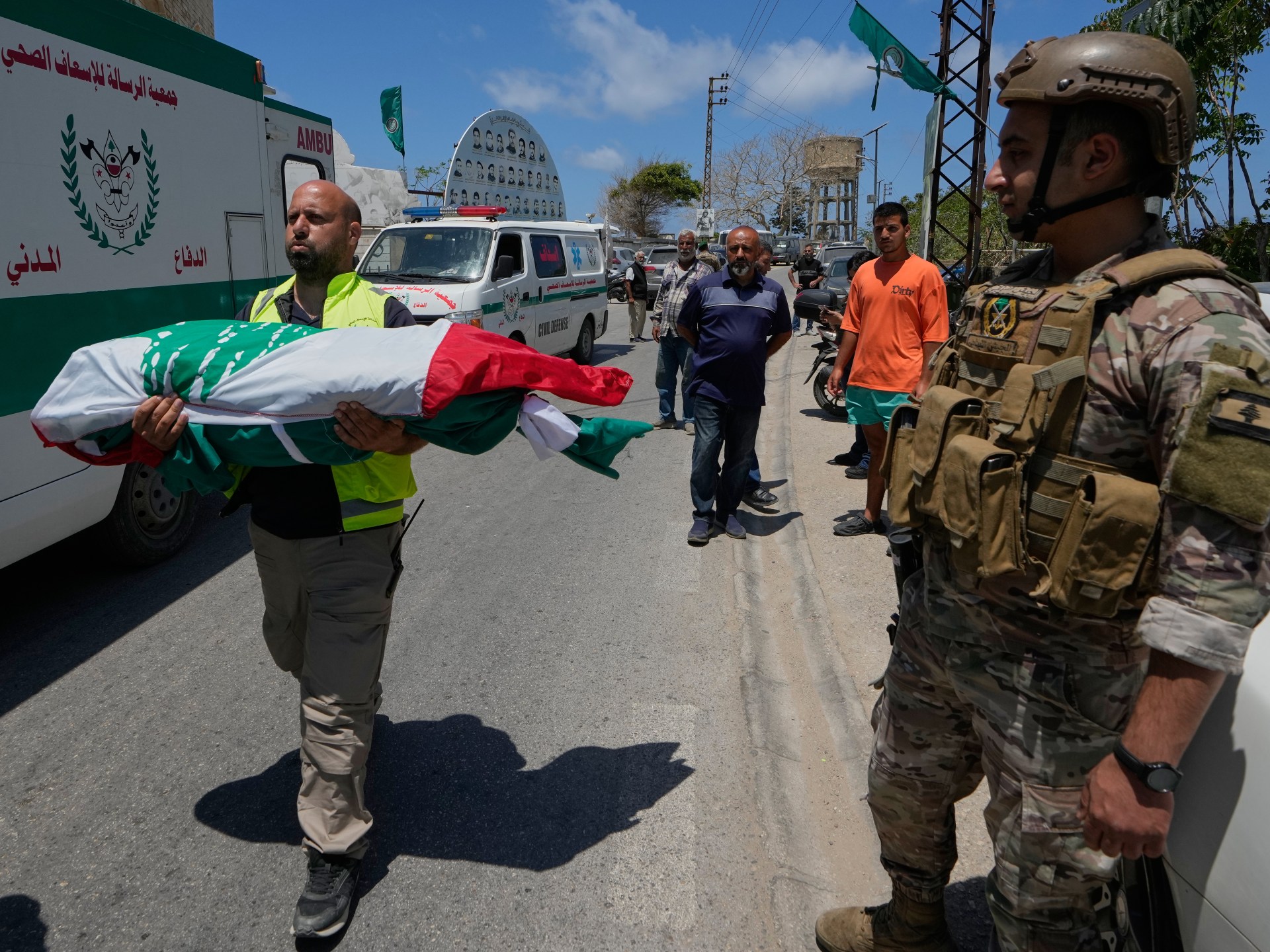
Iran war live: Trump due to make ‘final determination’ on deal with Tehran
Jamaica Inquirer
Trump Weighs Iran Ceasefire Deal | TVJ News
Television Jamaica (Video)Watch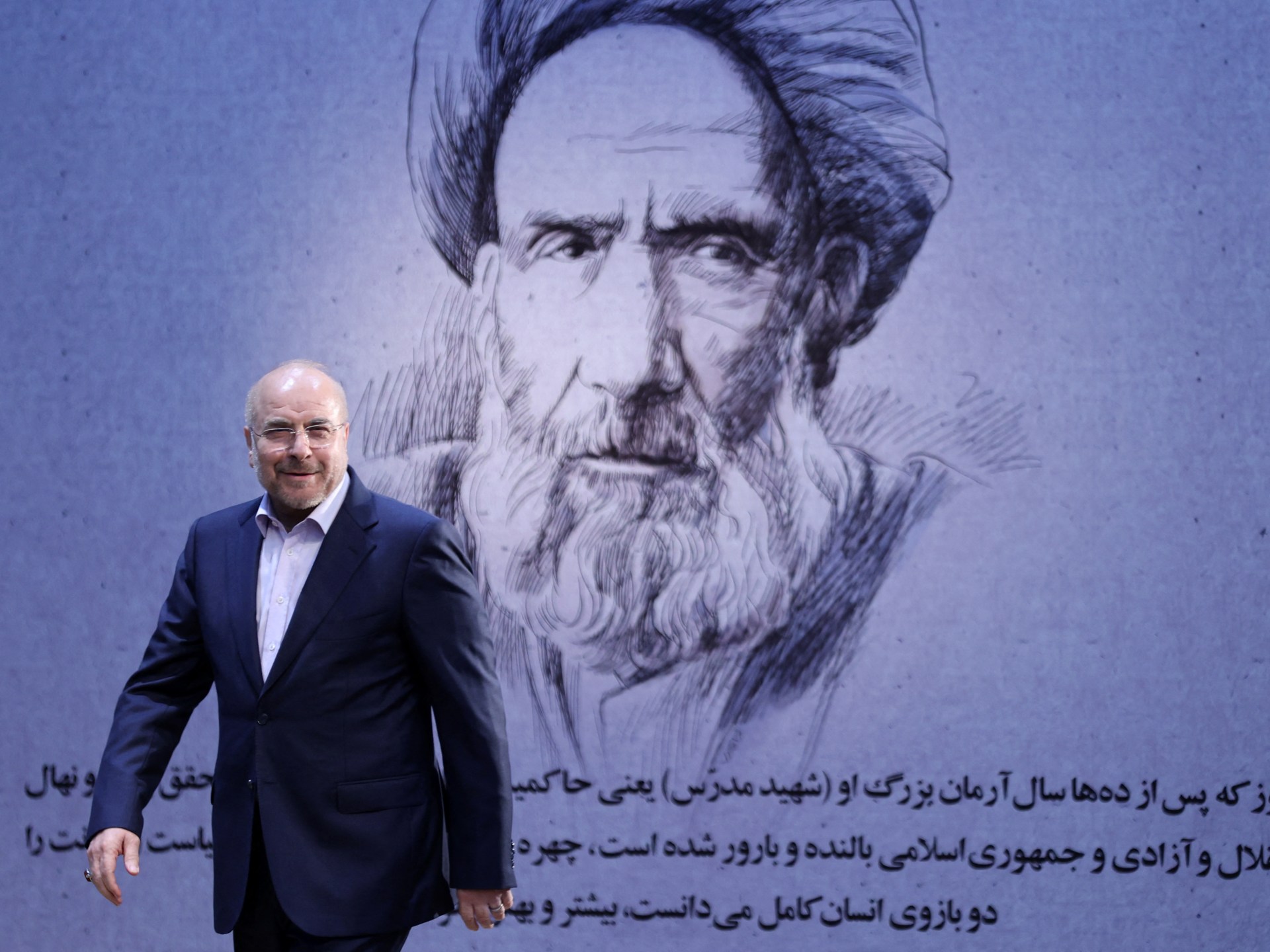
Iran warns Israeli attacks in Lebanon and Gaza threaten US ceasefire talks
Jamaica Inquirer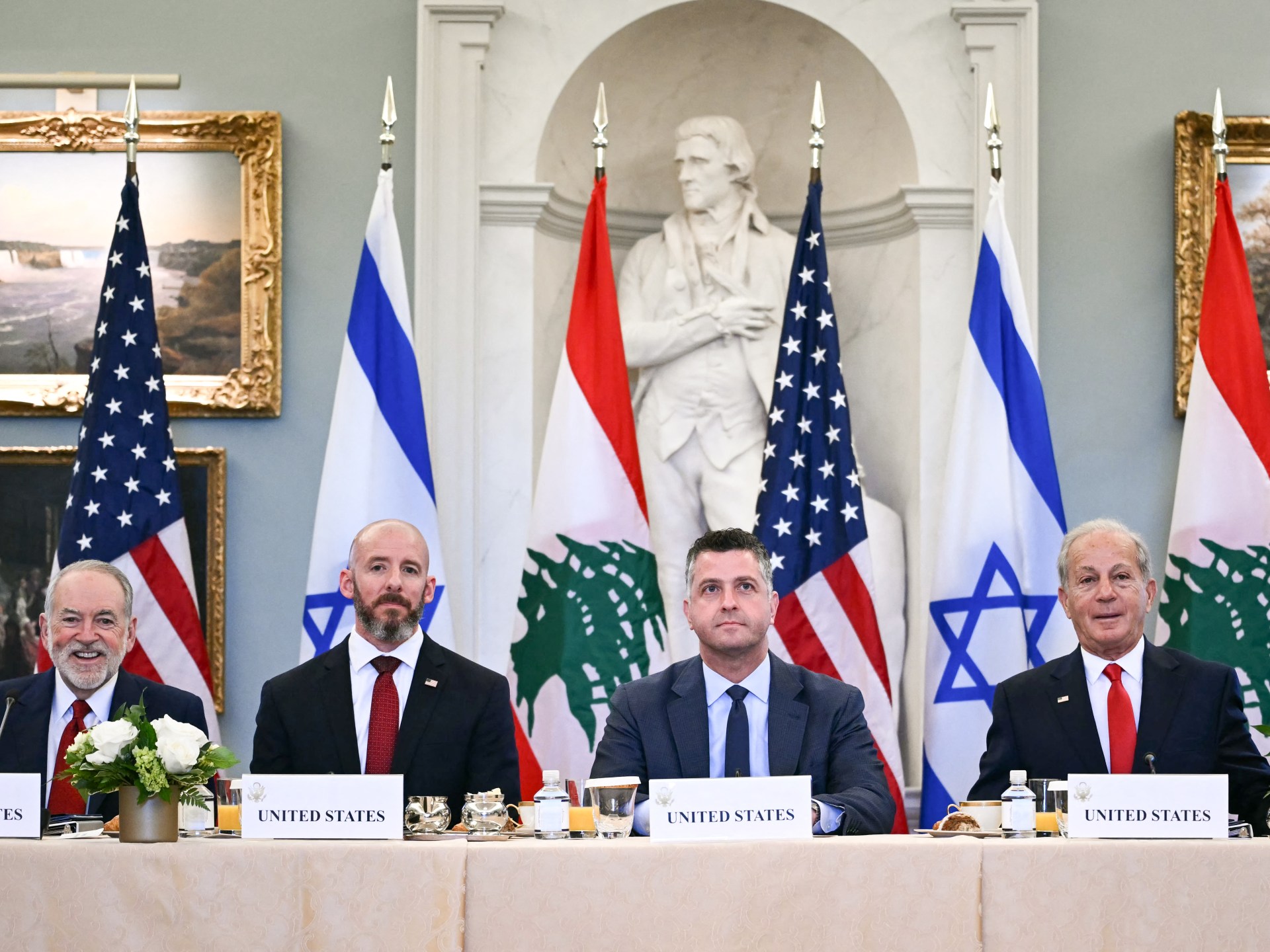
Lebanon’s latest truce: What is different from the April agreement?
Jamaica Inquirer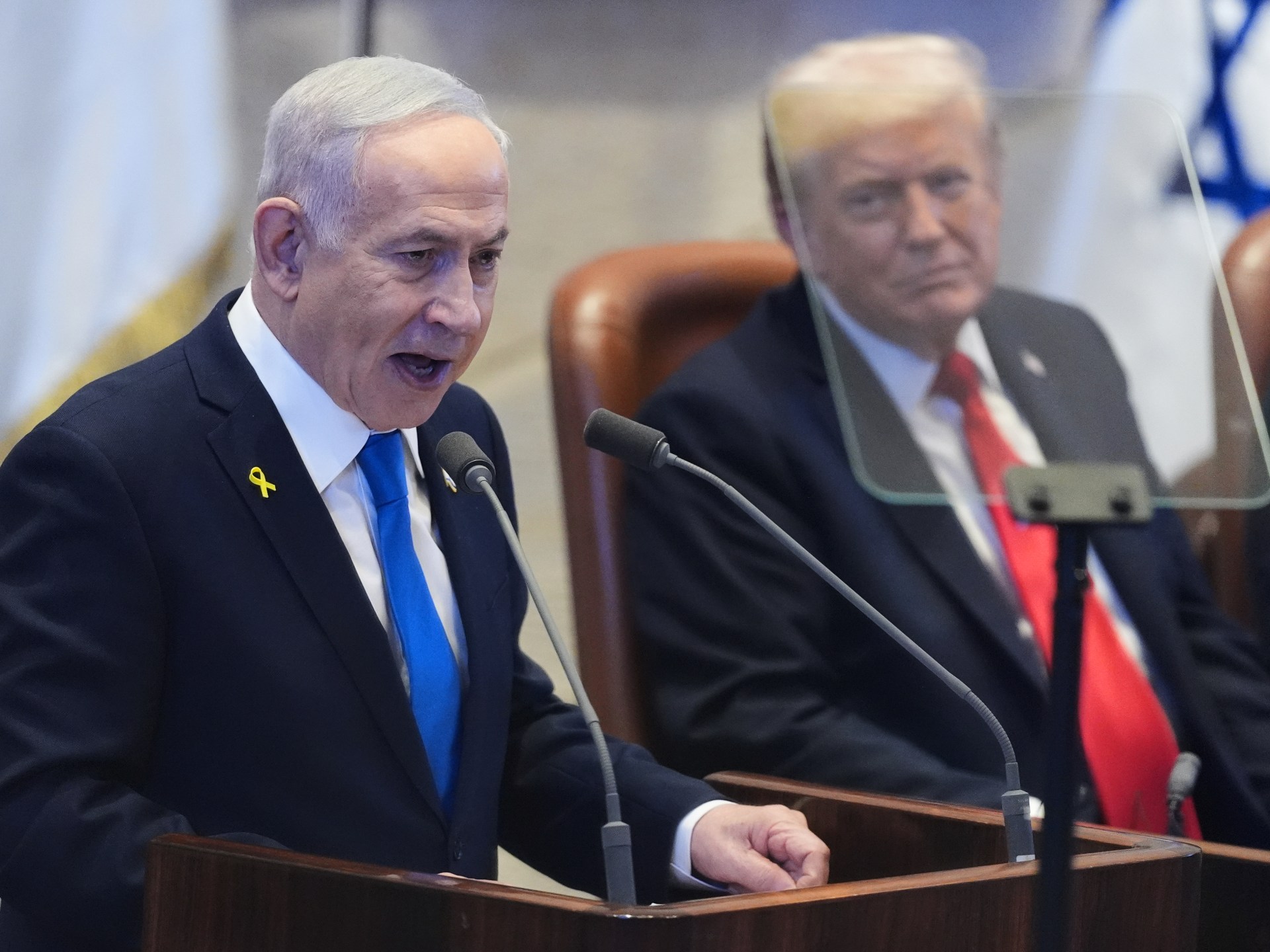
Netanyahu downplays US-Israel rift after Trump confirms criticism
Jamaica Inquirer