
Washington targets Iran crypto exchange Nobitex in wider sanctions push
The Trump administration has added Iran’s biggest digital asset platform and three additional exchanges to its sanctions list as Washington keeps pressing Tehran to accept an agreement that would bring an end to the continuing war with the United States and Israel.
Tuesday’s action covers Nobitex, described as Iran’s largest digital assets company, along with its chairman and co-founder, Amir Hossein Rad. The Treasury Department said the exchange handled more than half of Iran’s digital asset income in the previous year and plays a role in the country’s broad sanctions-avoidance system.
The move was announced the same day two semiofficial Iranian news outlets reported that Iran had cut off contact with mediators over efforts to prolong a ceasefire in the conflict involving the US and Israel. US President Donald Trump rejected that account, saying negotiations were still under way.
According to Treasury, Nobitex helped transfer money and assets outside Iran after US combat operations began there, with the aim of protecting wealth tied to the regime. Nobitex did not respond to an email request for comment.
American officials say Tehran depends heavily on cryptocurrency and other digital assets to get around sanctions. Treasury Secretary Scott Bessent told the Reagan National Economic Forum this month, "We have seized about a billion dollars of their crypto."
The new measures form part of a wider Trump administration effort to deepen Iran’s economic strain. Washington has also used secondary sanctions against countries dealing with Iranian-controlled individuals, companies and vessels, naming partners such as the United Arab Emirates as well as rivals including China. Banks have also been cautioned over processing Iranian funds.
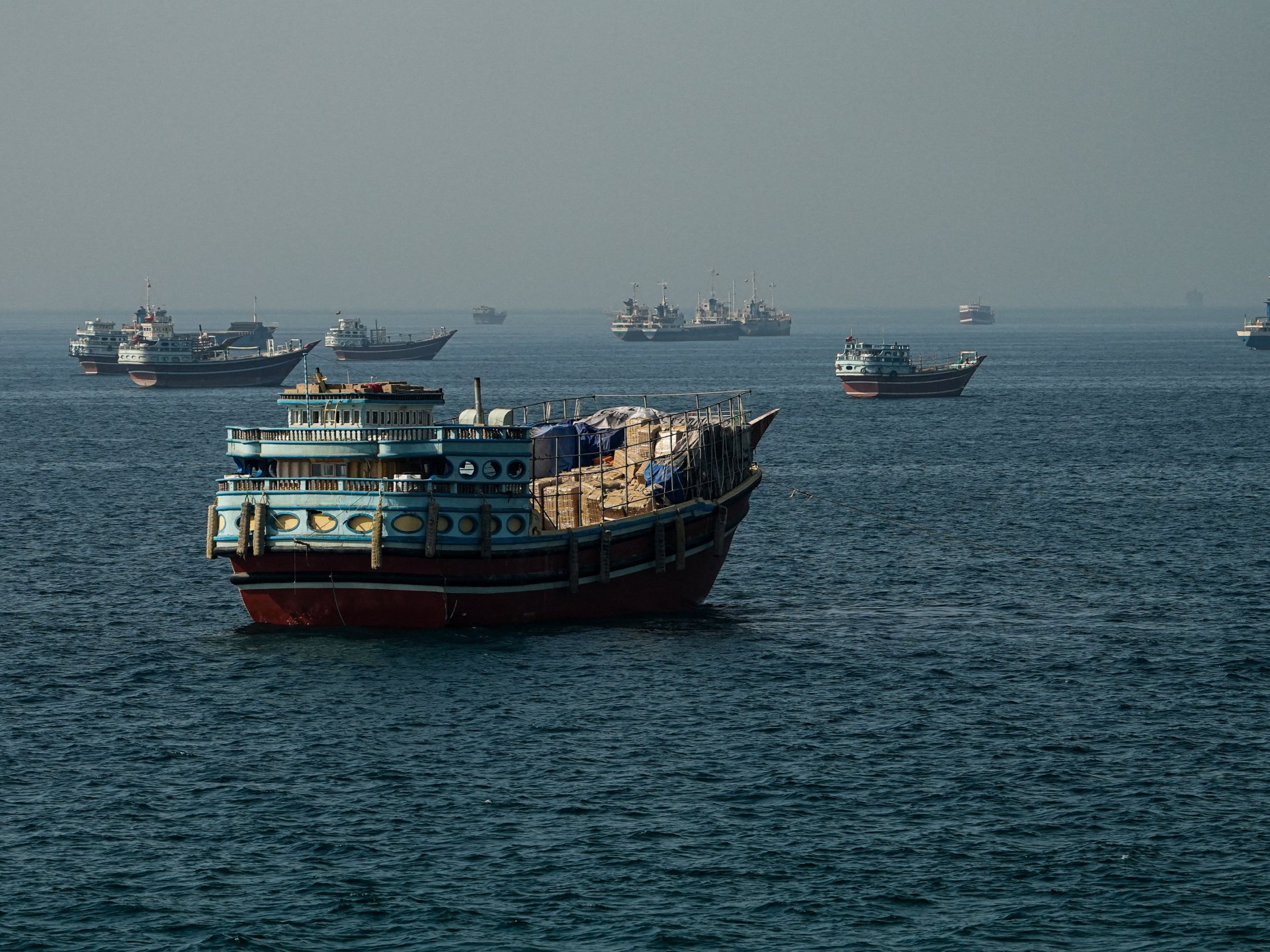
Last week, the US sanctioned Iran’s newly formed Persian Gulf Strait Authority, an agency set up to oversee shipping through the narrow Strait of Hormuz. Treasury described the body as a "scheme to extort international shipping."
At the same time, the US military has intercepted merchant ships attempting to pass through a US-led blockade of Iranian ports. Washington began that blockade on April 17, after Iran effectively shut the strait following the outbreak of the Middle East war, which began with US and Israeli strikes on February 28.
Syndicated from Jamaica Gleaner · originally published .
Legal context · powered by Jurifi
Get the legal angle on this story. Pick a prompt and Jurifi's AI will explain it using Jamaican law.
AI replies are based on Jamaican law via Jurifi. Not legal advice.
Other coverage
Iran reasserts control over Hormuz Strait as deal with US remains elusive
Jamaica Inquirer
Trump orders fresh strikes on Iran
Our Today
How the US naval blockade has bled Iran of nearly $6bn in oil revenues
Jamaica Inquirer
How does Iran’s leadership view the emerging deal with the US?
Jamaica Inquirer
Pakistan’s Naqvi visits Iran with ‘special letter’ for supreme leader
Jamaica Inquirer