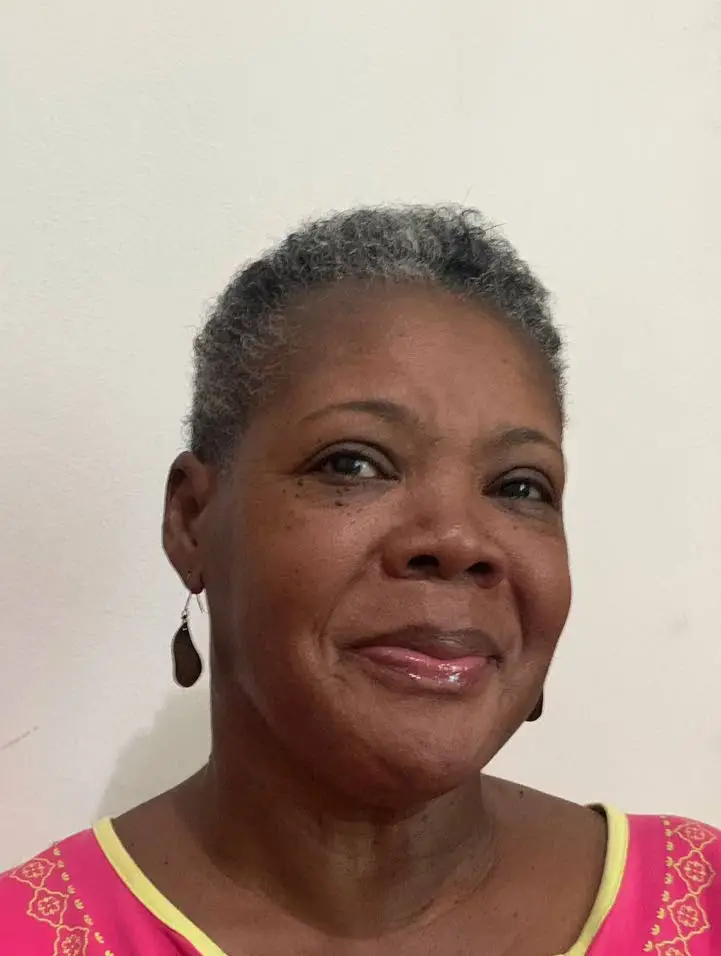
Faye Ellington warns Hill and Gully riddim revival is being undermined by explicit lyrics
Veteran broadcaster and cultural commentator Faye Ellington is urging Jamaicans to pay closer attention to the music and messages circulating online and within dancehall, focusing on the disputed Hill and Gully rhythm.
Ellington argues that the island’s folk traditions deserve honour, not reduction to lewd material. She has raised alarms that pairing explicit lyrics with the popular rhythm could weaken Jamaica’s cultural inheritance.
She commended producer Steven McGregor for bringing back a rhythm rooted in folk tradition, yet said several performers have applied it in ways she considers disrespectful and excessively vulgar.
"I have no problem with what Steven did in terms of turning that rhythm to us now in present-day Jamaica," she said, "but the nastiness that some of the people decide to put lyrics on it have done" troubles her. "The desecration bothers me because if you don't understand your history, then you won't understand where you're coming from."
Ellington described McGregor’s work as brilliant for repositioning folk music for today’s audience, then added: "You go and pollute it with your nastiness. Dance, you dance. Dance."
She stressed that Jamaican folk music holds deep historical and cultural weight, and that many young people remain disconnected from those roots. She asked how many youths visit the Institute of Jamaica or attend performances by Jamaican folk singers, the Carey folk singers, or the Hatfield singers, noting that recordings—including material on YouTube—are widely available for those who seek them out.
Ellington also challenged lyrics that demean women, saying that when disrespect is the only way a performer can address womanhood, "there's something wrong with you" and with women who accept it, including many who patronise dancehall spaces.
Beyond artists, she called on politicians, corporate Jamaica, churches, and educators to do more to advance positive cultural standards. "We all have to ask ourselves, what is the Jamaica that we want?" she said. "What do we want it to represent? Is it just gun lyrics? Is it just under woman's skirt lyrics? Is it just gutter lyrics? And nobody better tell me say it sell. Nobody better tell me that."
Syndicated from CVM TV News (Video) · originally published .
Legal context · powered by Jurifi
Get the legal angle on this story. Pick a prompt and Jurifi's AI will explain it using Jamaican law.
AI replies are based on Jamaican law via Jurifi. Not legal advice.
Other coverage

Webinar - Doing Business with Jamaica
JAMPRO (Video)Watch
A message to you Rude Boy- Andre Stephens is right about Jamaica’s moral decay
Our Today

It takes a village
Jamaica Observer
From 1960s mento to 2026 dancehall: The ‘slackness’ debate rekindled over ‘Hill & Gully’ riddim
Cnweekly
‘What’s this groove becoming?!’ How The Harder They Come captured 70s Jamaica and blazed on to stage
The Guardian (Jamaica)