
Attorney urges wider police body-camera use in Jamaica
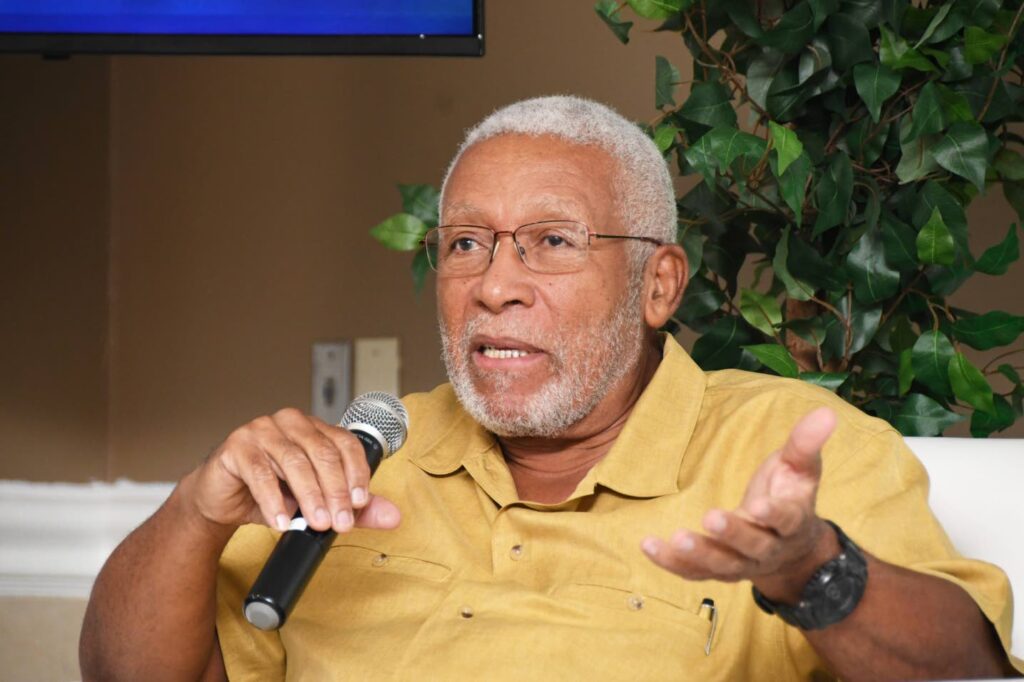
Attorney Able Don Foote is calling for greater use of body-worn cameras and other independent digital evidence in police encounters, saying the absence of footage can leave courts to decide serious disputes on credibility alone.
Speaking during a discussion on concerns about police incidents where no camera recording is available, Foote said video evidence can help judges or juries assess conflicting accounts. He argued that transparency benefits civilians and also shields police officers from false allegations about events that did not occur.
Foote said Jamaica’s current position means that, without a camera or other recording, a civilian’s account may simply be weighed against that of the police. He said constitutional protections cover due process, fair treatment, liberty and protection from unlawful arrest, but where there is no independent record, the matter often turns on who the court believes.
The attorney pointed to two Gun Court cases in which he represented Niqwe Bulgin and Tariq Blanton. He said both men were acquitted after defence teams gathered photographs and video from the scenes and placed that material before the court. In one case, he said the complainant’s claimed vantage point would have required seeing around several corners. In another, involving an alleged shoot-out in a dark gully, he said the judge accepted that the vegetation and conditions made the police account difficult to sustain.
Foote said such material must be properly brought before a court, sometimes through a subpoena, and lawyers must also meet the rules for admissibility when using technical evidence, including footage circulating on social media.
The discussion noted that Jamaica has about 1,500 body-worn cameras, with many reportedly used by traffic personnel rather than officers assigned to major operations. Foote supported suggestions that cameras should be deployed during planned police operations, saying recordings are common at embassies, courts and major public spaces.
He said examples from overseas, including the documented arrest operation involving El Chapo, show that cameras can remain useful even during armed confrontations. Foote said if the Government treats the issue as a priority, wider deployment will eventually follow.
Syndicated from Television Jamaica (Video) · originally published .
Legal context · powered by Jurifi
Get the legal angle on this story. Pick a prompt and Jurifi's AI will explain it using Jamaican law.
AI replies are based on Jamaican law via Jurifi. Not legal advice.
Other coverage
‘They take us for fools’
Jamaica Observer
Should Jamaica Police Wear Body Cameras? Indecom Makes Shocking Recommendation
Realnews YtWatch
Your next job interview could be with an AI bot
Jamaica Gleaner
‘This cannot continue’
Jamaica Observer
Woman shot dead by police in Jamaica at protest over previous police shooting
The Guardian (Jamaica)