
El Niño and Saharan dust push Jamaica temperatures higher as heat warnings intensify
Jamaica is contending with unusually intense heat driven by the combined effects of El Niño conditions, Saharan dust, and broader global warming, according to the Meteorological Service of Jamaica. The agency says the island has logged multiple hot days since May, including at least one heatwave, as rainfall remains below normal and temperatures climb.
Officials are urging residents to reduce time spent outdoors and to drink plenty of water. The warning lands hardest on people whose livelihoods keep them in the open air throughout the day. In St. James, construction workers described labouring from morning until late evening under a punishing afternoon sun. One man said he drinks as much as two large bottles of water daily just to cope.
In downtown Kingston, a vendor said she had no option but to bring her six-week-old infant to work while temperatures soared. She spoke of harsh heat and dust that made everyday tasks far harder than usual. Fellow vendors reported spoiled produce: peppers ripening too quickly, sweet peppers and carrots losing flavour, and crops in the ground burning under the relentless conditions.
The Met Service monitors heat at four sites—both major airports, Pasture Gardens in Portland, and Bowden's in St. Catherine. Thresholds differ by location, but each station has registered hot days from June into July. In May, Manley Airport recorded a heatwave when maximum and minimum temperatures stayed above set limits for two consecutive days, with highs exceeding 34 degrees Celsius.
Jamaica's traditional heat season runs from April through October, and warmth at this time of year is expected. However, officials say recent years have brought worse conditions, amplified now by El Niño and Saharan dust. Jacqueline Spence Hemmings, who manages climate services at the agency, said El Niño is forecast to peak around November through January before gradually easing, though full recovery may extend into 2027.
Residents are advised to limit direct sun exposure where possible. Those who must work outside are encouraged to avoid the 11:00 a.m. to 2:00 p.m. window when solar intensity peaks.
Syndicated from Television Jamaica (Video) · originally published .
Legal context · powered by Jurifi
Get the legal angle on this story. Pick a prompt and Jurifi's AI will explain it using Jamaican law.
AI replies are based on Jamaican law via Jurifi. Not legal advice.
Other coverage

Jamaicans Urged to Take Precautions Because of Rising Heat in Jamaica| News at 7 PM | @CVMTVNews
CVM TV News (Video)Watch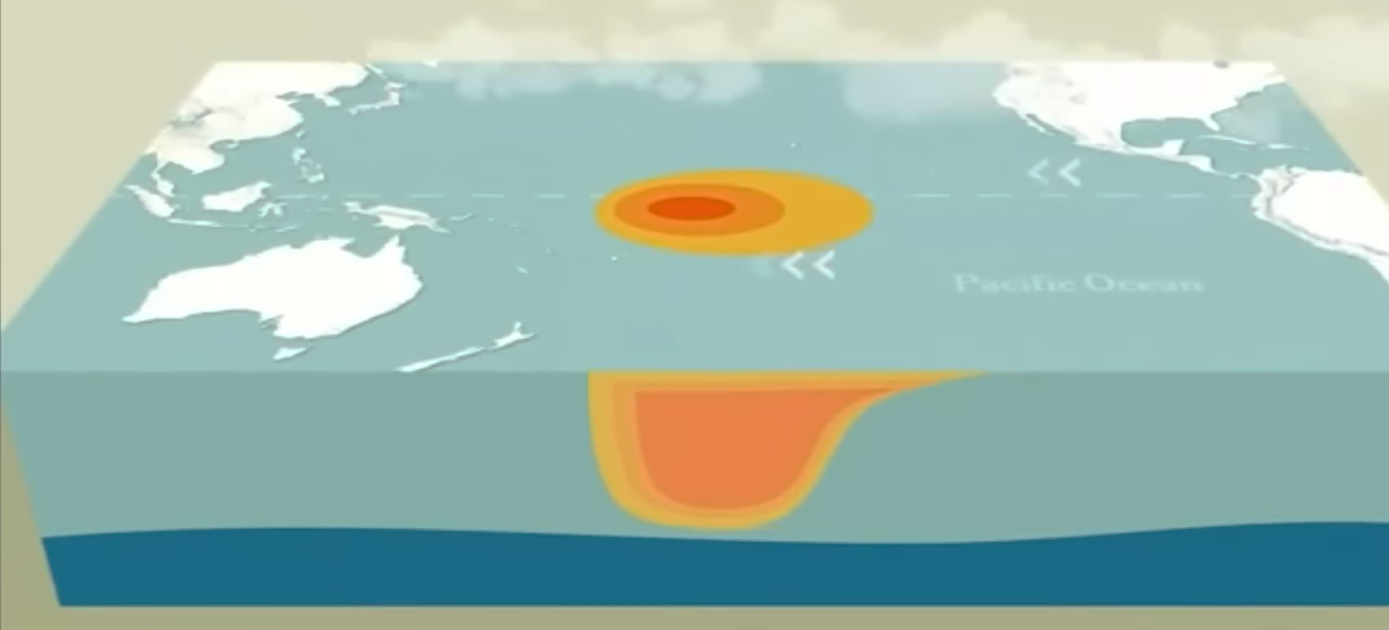
Jamaicans Urged to Take Precautions Because of Rising Heat in Jamaica
CVM TV
Farmers urged to check on livestock as temperatures rise
Jamaica Star
Why isn’t the Prime Minister and Minister of Foreign Affairs backing up Audrey Marks?
Our Today
St Elizabeth landowners want clarity on Govt’s relocation programme
Jamaica Observer