
La Auditora General constata que la mayor parte de las donaciones en efectivo tras Melissa sigue sin gastarse mientras el gabinete despliega alivio agrícola y se intensifican las conversaciones sobre transporte
El Parlamento ha recibido una auditoría de cumplimiento en tiempo real de la Auditora General Pamela Monroe Ellis centrada en el dinero entregado para ayudar a Jamaica a recuperarse del huracán Melissa, un sistema de categoría cinco que golpeó el 28 de octubre de 2025. Al 23 de febrero de 2026 —casi cuatro meses después— su equipo registró que solo se habían utilizado 26,2 millones de dólares de unos 1.440 millones en donaciones en efectivo, aproximadamente el 1,8 por ciento del total.
El informe también señala que, cuando llegó Melissa, la Office of Disaster Preparedness and Emergency Management (ODPM) ya contaba con unos 138,8 millones de dólares en donaciones vinculadas al huracán Beryl, que azotó las parroquias occidentales de la isla en julio de 2024, y que esas sumas tampoco se habían gastado. En virtud de la Disaster Risk Management Act de 2015, la ODPM es la coordinadora principal de la ayuda. Ha atribuido el ritmo lento a no haber recibido la aprobación del Ministry of Finance and the Public Service para gastar los fondos. La auditoría además observó que una firma financiera privada retenía el 30 por ciento de las donaciones entrantes durante 45 días sin un acuerdo escrito formal, y Ellis dijo que su oficina no pudo verificar de forma independiente si esos montos llegaron después a las cuentas del Gobierno porque no se suministraron los extractos bancarios de respaldo.
La senadora gubernamental Marlene Morgan respondió con una declaración escrita en la que sostiene que el panorama mejora si se cuenta el trabajo estatal por el huracán: unos 11.300 millones de dólares vinculados a 420 contratos de recuperación por Melissa. Enmarcó el momento de la auditoría como un recordatorio de por qué los legisladores impulsaron recientemente la National Reconstruction and Resilience Authority. En antena insistió en que los dólares de los donantes deben incorporarse por los canales regulares de las finanzas públicas, comparó el bajo gasto inicial con la ausencia de robo más que con un escándalo, y señaló la vivienda modular —incluidas unidades tipo contenedor— con trabajos preparatorios que dijo avanzaban y un plazo de entrega aproximado mencionado en otros ámbitos de semanas que se extienden hacia seis meses.
El miércoles, el ministro de Agricultura, Pesca y Minería Floyd Green utilizó su presentación del debate sectorial 2026-2027 para describir un esfuerzo de 145 millones de dólares contra la sequía ejecutado principalmente a través de la Rural Agricultural Development Authority (RADA), que combina lonas para estanques con excavación liderada por agricultores o comunidades, incluido un estanque que se está conformando en St. Ann. Dijo que los 145 millones ya se enviaron a RADA, explicó cómo los diputados pueden señalar sitios o ayudar con tanques, mangueras y agua transportada por camión junto con la focalización de la National Irrigation Commission, e insistió en listas de beneficiarios para limitar la doble percepción de ayudas. También anunció 800 millones de dólares para 95 sitios de invernaderos en antiguas tierras de bauxita, con contratos firmados y desmonte iniciado de la mano del Jamaica Bauxite Institute, JSIF y empresas mineras, con miras a completarlos en 2026. Green reconoció que los plátanos y bananos siguen caros tras que Melissa arrasara los campos comerciales de banano, señaló un plazo de recuperación de unos nueve meses sin recurrir a importaciones arriesgadas, citó un impulso de 100 millones de dólares para ñame que cubre a unos 2.000 agricultores con otros 2.000 como meta, y añadió 50 millones para asegurar a 5.000 agricultores mediante la inscripción en RADA. Los meteorólogos han advertido de una estación seca más severa encima de la recuperación tras la tormenta.
El portavoz de transporte de la oposición Mikael Phillips dijo a la Cámara que la Jamaica Urban Transit Company (JUTC) ha perdido más de 100.000 millones de dólares desde que el Jamaica Labour Party regresó al poder en 2016. Dijo que los pasajeros cayeron de 63 millones en 2016 a 18 millones en 2024, los autobuses desplegados a diario de unos 450 a 203, los costos recuperados internamente de cerca del 70 por ciento a unos 12 por ciento, y los ingresos de la taquilla de 4.500 millones hacia 1.400 millones. Las Estimaciones de Gasto del Gobierno, añadió, apuntan a un déficit operativo de 18.000 millones este año antes de un subsidio de 11.100 millones, con unos 7.700 millones sin cubrir, y el gasto encaminado hacia 17.000 millones el próximo año. Phillips calificó la recuperación de costos en unos 16 por ciento frente a unos 17.000 millones en gastos y una perspectiva de 2.000 millones en taquilla, instó a un plan operativo claro para la licencia de la Kingston Metropolitan Transport Region que abarca Portmore y Spanish Town, y dijo que las expansiones rurales estatales perjudican a los operadores privados con licencia al mantener las tarifas bajas mientras los contribuyentes financian autobuses y combustible.
Por separado, Lorraine Finnikin, presidenta de la All Voice Route Taxi Association, dijo que el gabinete acordó en octubre de 2023 un ajuste tarifario escalonado del 35 por ciento —19 por ciento aplicado en 2023, pero el 16 por ciento restante prometido para abril de 2024 nunca se materializó tras argumentos sobre inflación, un ciclo electoral y el huracán Melissa. La Transport Authority ha indicado un calendario de junio de 2026 que Finnikin calificó de demasiado vago después de que el ministro de Transporte Daryl Vaz citara junio en reuniones de marzo de 2026; los operadores señalan el alza de los precios en las gasolineras y exigen el 16 por ciento retrasado mientras preparan una nueva solicitud tarifaria de dos años.
Sindicado desde CVM TV News (Video) · publicado originalmente el .
Contexto legal · con tecnología de Jurifi
Obtén el ángulo legal de esta noticia. Elige una pregunta y la IA de Jurifi la explicará usando la ley jamaiquina.
Las respuestas de IA se basan en la ley jamaiquina a través de Jurifi. No es asesoramiento legal.
Otra cobertura

96 MORE STRONG – JAMAICA FIRE BRIGADE WELCOMES NEW RECRUITS
Ministry of Local Government
‘What’s this groove becoming?!’ How The Harder They Come captured 70s Jamaica and blazed on to stage
The Guardian (Jamaica)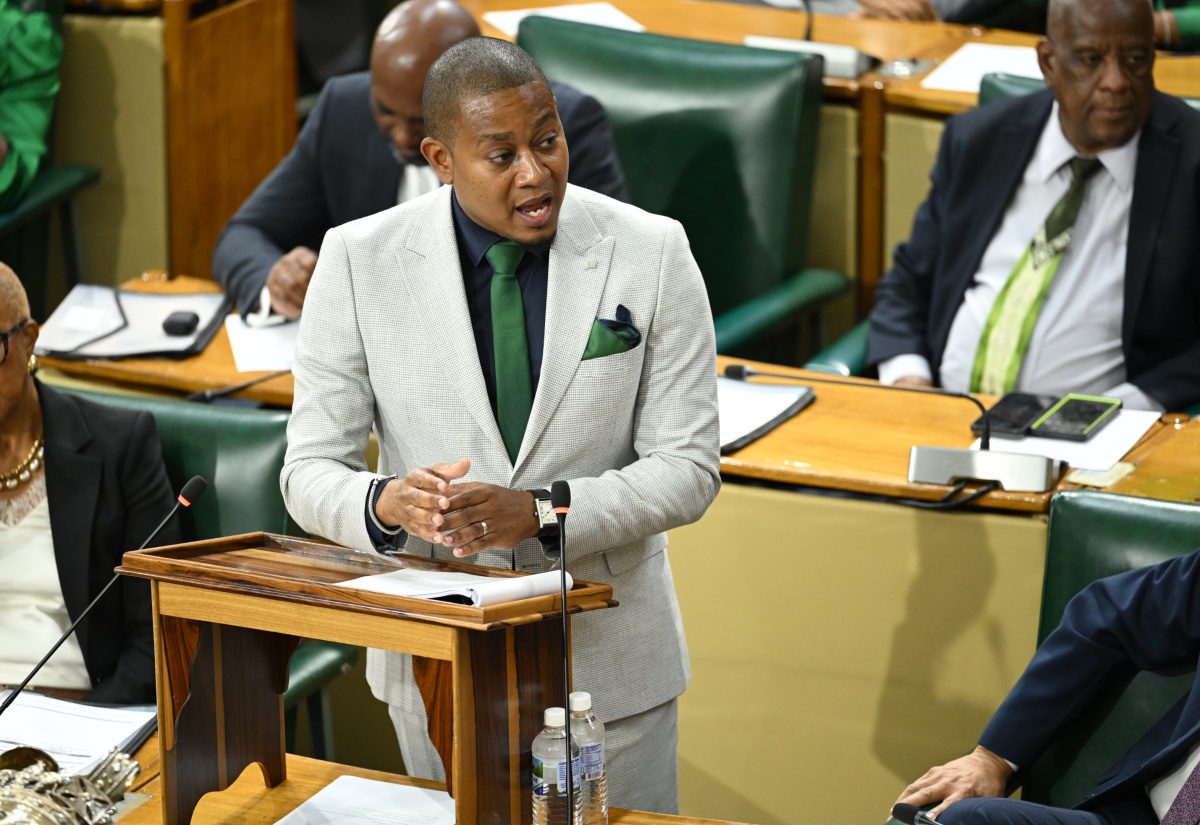
MOU to Boost Fisheries Enforcement Through Ticketing System
Jamaica Information Service
Gas price pledge
Jamaica Observer
Roxan Wais-Shirley – doing well at Guardsman Group – Part I
Our Today