
Pamela Redwood | When will Jamaica treat Femicide as a National Emergency?
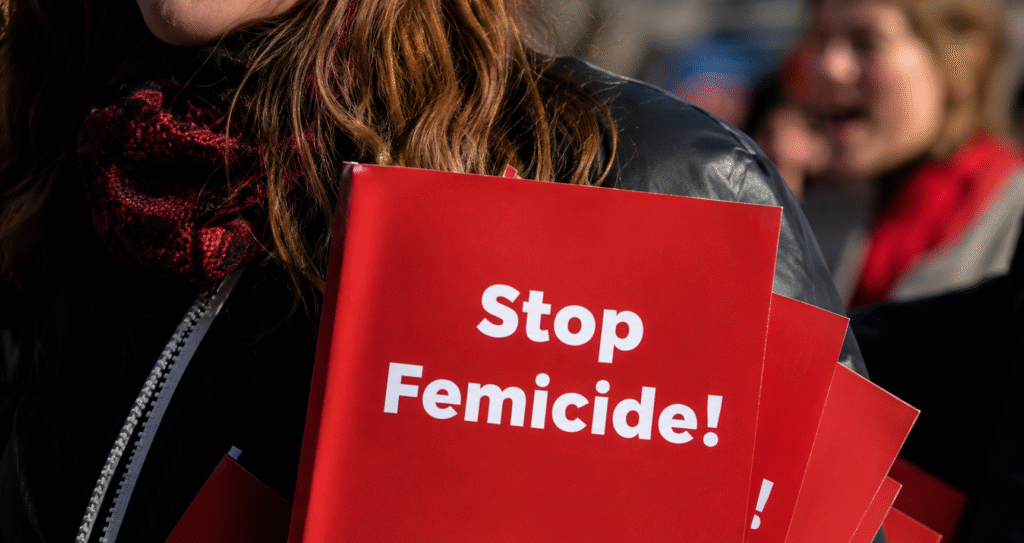
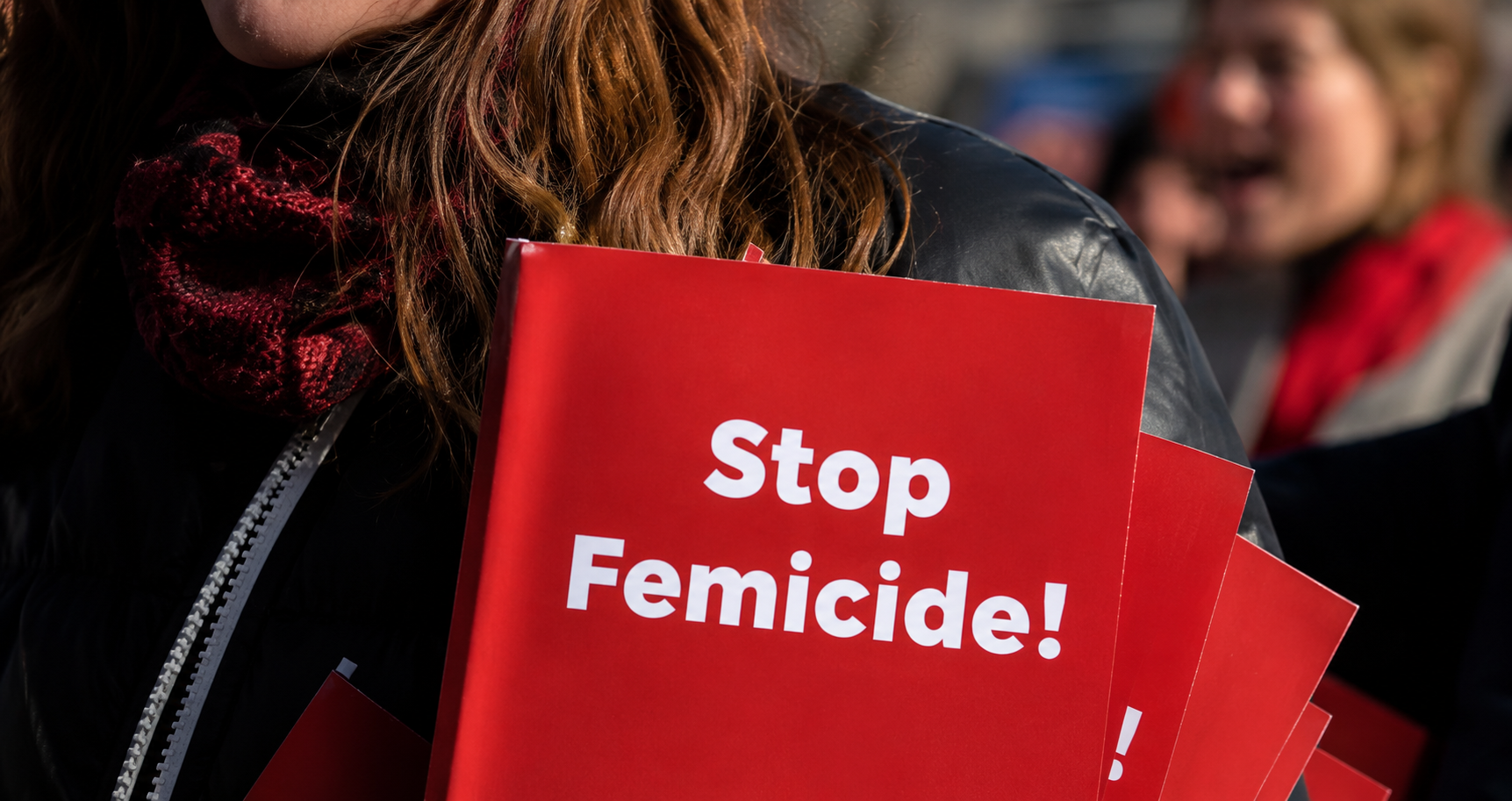
Another woman has been murdered in Jamaica. Another family has been shattered. Another community is left grieving. And once again, the nation moves on until the next headline appears.
The tragedy of femicide in Jamaica has become so frequent that women are increasingly reduced to statistics rather than being recognised as daughters, mothers, sisters, colleagues, friends, and citizens whose lives matter. The public outrage is often intense but short-lived. Speeches are made, condolences are offered, promises are repeated, yet the structural response remains inadequate.
Successive administrations have failed to confront violence against women with the urgency and seriousness it deserves. Despite the alarming number of women who continue to be abused, stalked, assaulted, and murdered, Jamaica still lacks a dedicated division within the Jamaica Constabulary Force focused exclusively on crimes against women. Such a unit could bring together specialised investigators, victim advocates, forensic expertise, intelligence gathering, and preventative interventions designed specifically to address gender-based violence.
Instead, the country continues to react after women are killed rather than acting decisively to prevent these crimes from occurring in the first place.
Equally disappointing is the silence, inconsistency, and selective outrage that often characterise the response from many of those who occupy positions of political leadership. Too many female parliamentarians, who themselves understand the unique vulnerabilities and challenges women face, have allowed partisan considerations to dictate when they speak loudly and when they remain silent. Too much energy is devoted to political point-scoring and symbolic battles while the fundamental issue—the safety and dignity of Jamaican women—receives insufficient sustained attention.

Then, each year on November 25, the International Day for the Elimination of Violence Against Women, the nation is flooded with carefully crafted statements, social media posts, photographs in orange attire, panel discussions, and declarations of solidarity. Leaders speak passionately about ending violence against women. Institutions issue polished press releases condemning abuse.
But when the cameras disappear and the hashtags stop trending, far too often, so does the urgency.
The hypocrisy is difficult to ignore. Women do not need annual performances of concern. They need sustained action, political will, adequate resources, and institutions that work relentlessly every day of the year to keep them safe. Advocacy cannot be seasonal. Outrage cannot be selective. Commitment cannot end on November 26.
Violence against women is not a party issue. It is not a government issue or an opposition issue. It is a national crisis.
Women should not have to modify their movements, change their routines, lower their voices, or live in constant fear simply to survive. The measure of any society is found in how it protects its most vulnerable. Jamaica cannot claim progress while women continue to die at the hands of intimate partners, predators, and abusers without a coordinated national strategy to address the problem.
The time has come for action, not rhetoric.
We need specialised investigative units dedicated to crimes against women. We need stronger enforcement of protection orders. We need better support systems for survivors of abuse. We need improved data collection and early intervention mechanisms. We need education that challenges the culture of violence and entitlement that often underpins these acts. Above all, we need political leaders willing to rise above partisan loyalties and confront this crisis with honesty and courage.
Every murdered woman represents a collective failure of the systems meant to protect her.
The question is no longer whether Jamaica has a femicide problem. The bodies of our women have answered that question repeatedly.
The real question is this: How many more women must die before the nation finally decides that their lives are worth more than a passing headline, a carefully worded statement on November 25, and yet another statistic?
Syndicated from Our Today · originally published .
Legal context · powered by Jurifi
Get the legal angle on this story. Pick a prompt and Jurifi's AI will explain it using Jamaican law.
AI replies are based on Jamaican law via Jurifi. Not legal advice.
Other coverage
West Indies Women finish top of the table to win series
Caribbean Life
‘IT’S WATERED DOWN’
Jamaica Observer
As Guyana booms, Abbigale Loncke-Watson wants women to have a seat at the table
Caribbean Life
More Men Reporting Domestic Violence | News at 7 PM | @cvmtvnews
CVM TV News (Video)Watch
WOMEN'S FOOTBALL STRATEGY
Jff YtWatch