
Reporter: Akeem Orrett
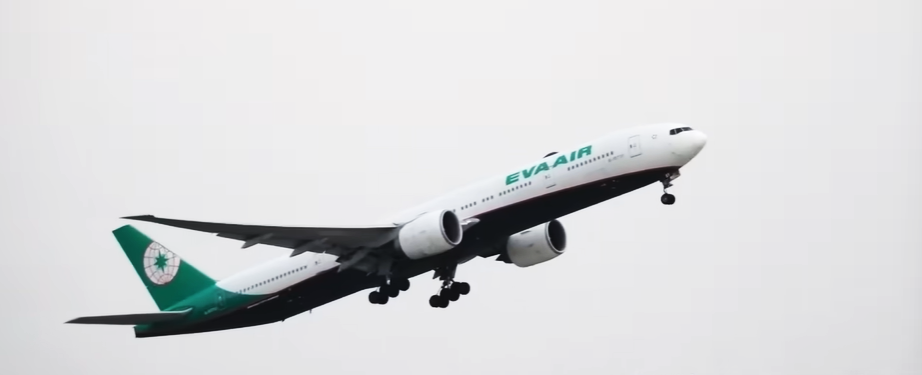
For countless Jamaican families, migration is a bridge to opportunity. It promises better jobs, a brighter future, and the hope of breaking the cycle of poverty. But while parents board planes chasing tomorrow, some children are left standing on the tarmac of today. They receive barrels, birthday gifts, and bank transfers. But many quietly long for something money cannot deliver. A parents embrace.
Reporter Akeem Orett explores the invisible baggage carried by the children left behind.
Across Jamaica, thousands of children are growing up in homes where love is present, but a parent is not.
Grandparents become mothers again. Uncles become fathers overnight. Phone calls replace bedtime stories, video chats substitute for hugs. But can they?
And while remittances help pay school fees, and buy new shoes, psychologists say emotional security cannot always be wired through a bank account.
Consulting psychologist at Tea House Therapy, Michelle Harrison said, “The first secure attachments we develop are with our parents and caregivers. And when a parent migrates it can impact the attachment that the child makes. So, there may be feelings of rejection, feelings of abandonment, which can impact their approach to other adults as they grow and develop.”
Some children learn to smile through the silence. Others carry questions too heavy for their school bags. According to a 2017 report by NBC News in Kingston, 74% of households in some inner-city communities have at least one child left behind by one or both parents.
Harrison warns behavioural or mental health challenges may reveal themselves in different forms.
“You may have a child who constantly needs reassurance that the person in charge of them is going to come back. You might have separation anxiety where they have a difficult time separating from the caregiver, whether it's being dropped off at school or an activity.
Some children externalize their emotions, so, you may have what we call acting out behaviours. So, they may do things in the classroom to get the attention from the teacher.”
In the meantime, not every story ends in heartbreak. Many families intentionally nurture strong bonds across oceans through consistent communication and emotional reassurance. But Ms Harrison says it is not simply the miles between parent and child that shape the outcome.
It is what fills those miles.
“When you think about, especially, when you think about children who might respond to physical affection being able to get a hug, or having the experience of when they get hurt, having a parent comfort. And so, for many children, while the parents do a very good job of providing that financial support, they still describe this sense of longing because it doesn't replace that emotional connection.”
Migration may build houses, but children still need homes. They may inherit opportunities, but they also inherit memories. And while the price of a plane ticket can be counted in dollars, the cost of an absent embrace is measured in moments that can never be reclaimed.
The child left behind isn't waiting for another phone call.
They are simply waiting to be held again.
Syndicated from CVM TV · originally published .
Legal context · powered by Jurifi
Get the legal angle on this story. Pick a prompt and Jurifi's AI will explain it using Jamaican law.
AI replies are based on Jamaican law via Jurifi. Not legal advice.
Other coverage
More than a Graduation
Jamaica Information Service (Video)Watch
St Elizabeth landowners want clarity on Govt’s relocation programme
Jamaica Observer
Specialised Cuban Nurses to Refill Previous Posts| News at 7 PM | @CVMTVNews
CVM TV News (Video)Watch
HELP!
Jamaica Observer
Sex life getting better with age
Jamaica Star