
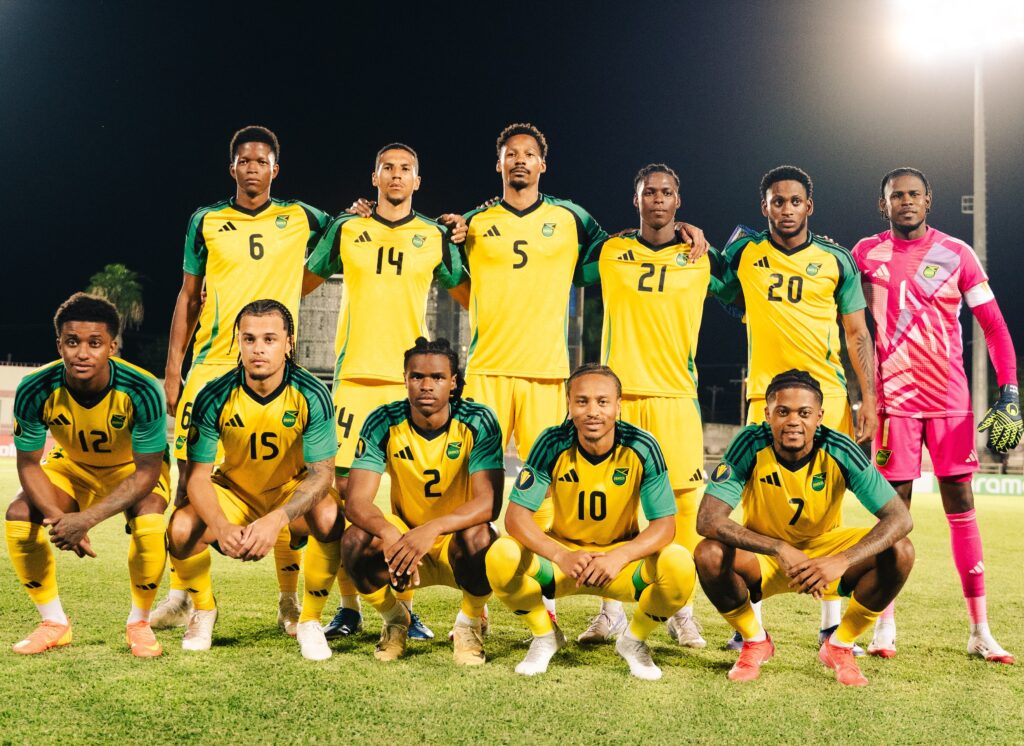
Jamaica will not be represented on the pitch at the 2026 FIFA World Cup, but the country has still found a place in the tournament’s global conversation. A new Airbnb advertisement tied to the FIFA World Cup puts the island’s cultural power at the centre of a fast-moving look at how traditions travel and reshape one another.
The commercial begins by pointing to examples of cultural mixing that produced well-known art forms and practices. It says, “Salsa was invented when Puerto Ricans took Cuban rhythms to New York.” It continues, “Brazilian Jiu-Jitsu was born when the Japanese took Judo to Brazil.” Then comes the line that has stood out for many Jamaicans: “After Jamaicans took their sound systems to the UK, the world got punk.”
The claim is striking, but it reflects a real historical connection between Jamaican music and Britain’s punk scene. In the years after World War II, large numbers of Jamaicans moved to Britain and carried their music culture with them. Sound systems, already deeply woven into Kingston life, crossed the Atlantic and took root in British cities including London and Birmingham.
Ska, rocksteady and reggae from Jamaica soon attracted young listeners in Britain who were searching for sounds outside the mainstream. By the 1970s, several musicians who would help define punk were engaging with Jamaican music and the wider culture around it. The Clash, among the best-known examples, openly absorbed reggae into parts of their work, while reggae and punk fans often occupied some of the same clubs, venues and community spaces.
That overlap helped create a two-way exchange that influenced the feel, look and spirit of punk in Britain. The Airbnb ad compresses that history into one short sentence, but the reference has resonated because Jamaica’s role in modern popular music has long reached well beyond the island’s shores.
Airbnb has also drawn from Jamaican music before. In 2017, the company used Ini Kamoze’s 1994 international hit “Here Comes the Hotstepper” in a major campaign built around travel experiences that went beyond standard lodging. The song’s lively appeal supported the brand’s push toward exploration, neighbourhood experiences and stronger local connection.
Almost ten years later, Airbnb has again turned to Jamaica’s cultural footprint. This time, the focus is not simply a familiar song, but the wider influence of Jamaican sound system culture and its part in shaping punk music in the United Kingdom. The message is another sign that, for global brands seeking music and culture with immediate recognition, Jamaica remains an easy reference point.
The timing carries mixed emotions for Jamaican football supporters. The Reggae Boyz came close to booking a place at the 2026 FIFA World Cup, but their campaign ended in the final phase of qualification. Jamaica’s hopes eventually came down to a decisive play-off against the Democratic Republic of Congo.
After regulation time ended without either side breaking through, the match was settled in extra time. The Democratic Republic of Congo scored the goal that ended Jamaica’s World Cup bid and handed the Reggae Boyz a 1-0 defeat.
The national team will not be part of this summer’s World Cup action, but the sight of Jamaica’s flag in a major international campaign offers a different kind of presence. Even away from the field, the country’s music, history and cultural identity continue to command attention worldwide.
Syndicated from Jamaicans.com · originally published .
Other coverage
Ancelotti and Brazil face tough opening test at World Cup
Jamaica Observer
World Cup, dark clouds
Jamaica Observer
The secrets behind a memorable World Cup anthem
Jamaica Gleaner
Her Goal, Their Glory | TVJ Daytime Live
Television Jamaica (Video)Watch
WORLD CUP WHAT TO KNOW - Mexico kicks off supersized, 48-team tournament
Jamaica Gleaner