
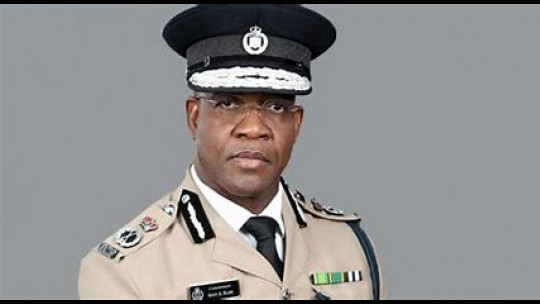
Police Commissioner affirms JCF embrace of body-worn cameras
Police Commissioner Dr Kevin Blake is again dismissing claims by critics that the Police High Command is opposed to members of the force being issued with body worn cameras.
Commissioner Blake, writing in the latest Police Force Orders, Commissioner Blake argued that the facts do not support the narrative of those he called the detractors.
He revealed that the JCF has invested approximately $2 billion in the infrastructure necessary to support body-worn cameras, and to date, the High Command has procured approximately 1,750 cameras and deployed roughly 1,500 daily.
“We have established detailed policies governing their use, and the deployment and utilization of BWCs form part of our regular operational reviews, chaired by a Deputy Commissioner of Police,” he explained.
Dr Blake said it could not be true that the organization is resisting a technology in which it has invested so heavily and continues to expand.
Human rights group, Jamaican for Justice, other civil society organzations, and the Independent Commissioner of Investigations have been vocal about the deployment of body-worn cameras, especially to police officers involved in special operations.
Referring to claims that the absence of body-worn cameras is one of the main reasons "why relatively few fatal police shootings result in criminal charges being laid against officers,” Commissioner Blake sought to bring his perspective to bear on the matter.
“When a police officer is involved in a fatal shooting, the independent investigators generally begin with several significant advantages. The officer is required to provide a statement, most times without the benefit of time allowed to recover from the trauma. The firearm used is made available for forensic examination. Investigators have immediate access to information regarding the circumstances surrounding the incident. The scene is available for processing and witnesses are often identified quickly, some who were never even present. This that they have from the onset, is most of what is required to complete an investigation.”
By contrast, he said, “when JCF investigators are called upon to investigate a murder committed by criminals, they rarely begin with any of those advantages. The suspect seldom provides a statement. The weapon used is often never recovered. There is usually no official account of what transpired. Witnesses are frequently fearful, reluctant, or entirely absent. In many cases, investigators are forced to reconstruct events from fragments of evidence gathered over weeks or months.”
Syndicated from Radio Jamaica News Online · originally published .
Legal context · powered by Jurifi
Get the legal angle on this story. Pick a prompt and Jurifi's AI will explain it using Jamaican law.
AI replies are based on Jamaican law via Jurifi. Not legal advice.
Other coverage
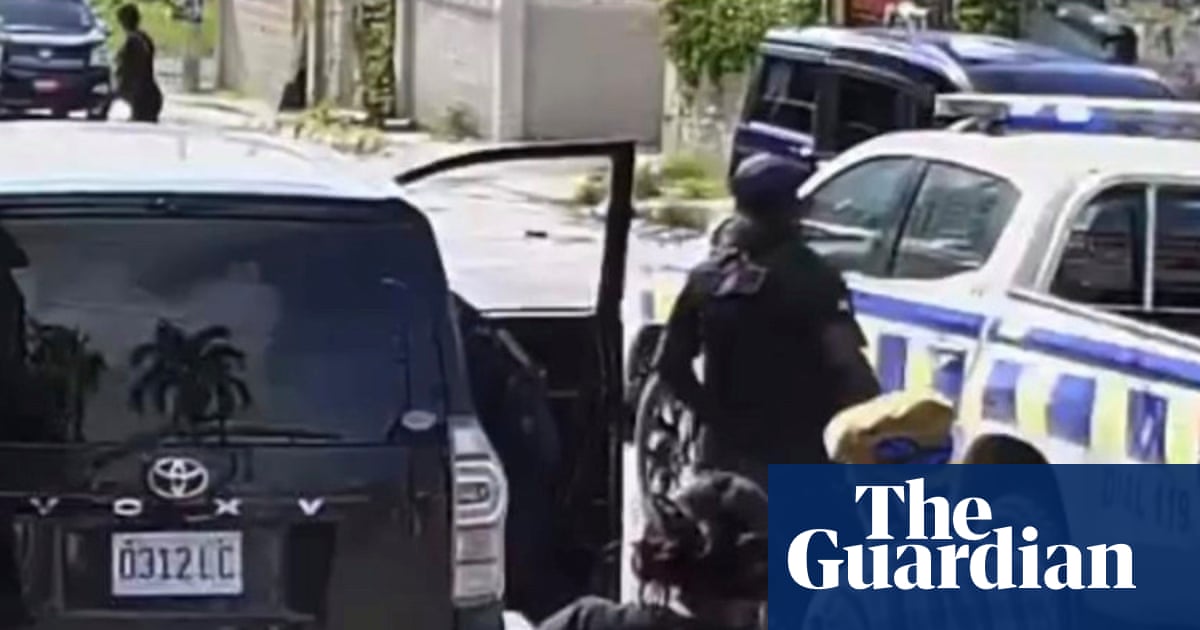
Jamaican police officer charged with murder after woman shot during protest
The Guardian (Jamaica)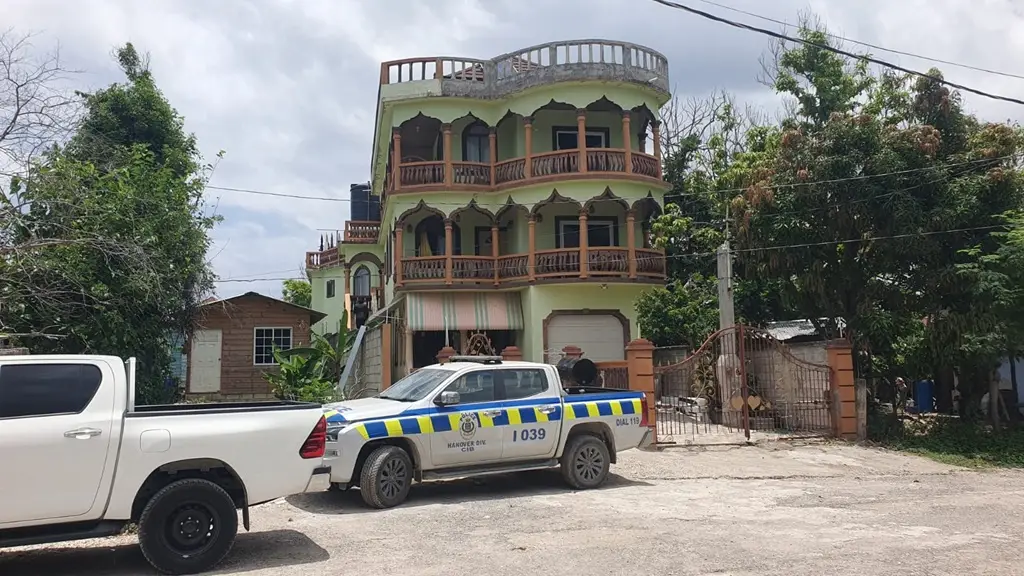
Murder charge laid against partner of US citizen found dead in Hanover
Jamaica Observer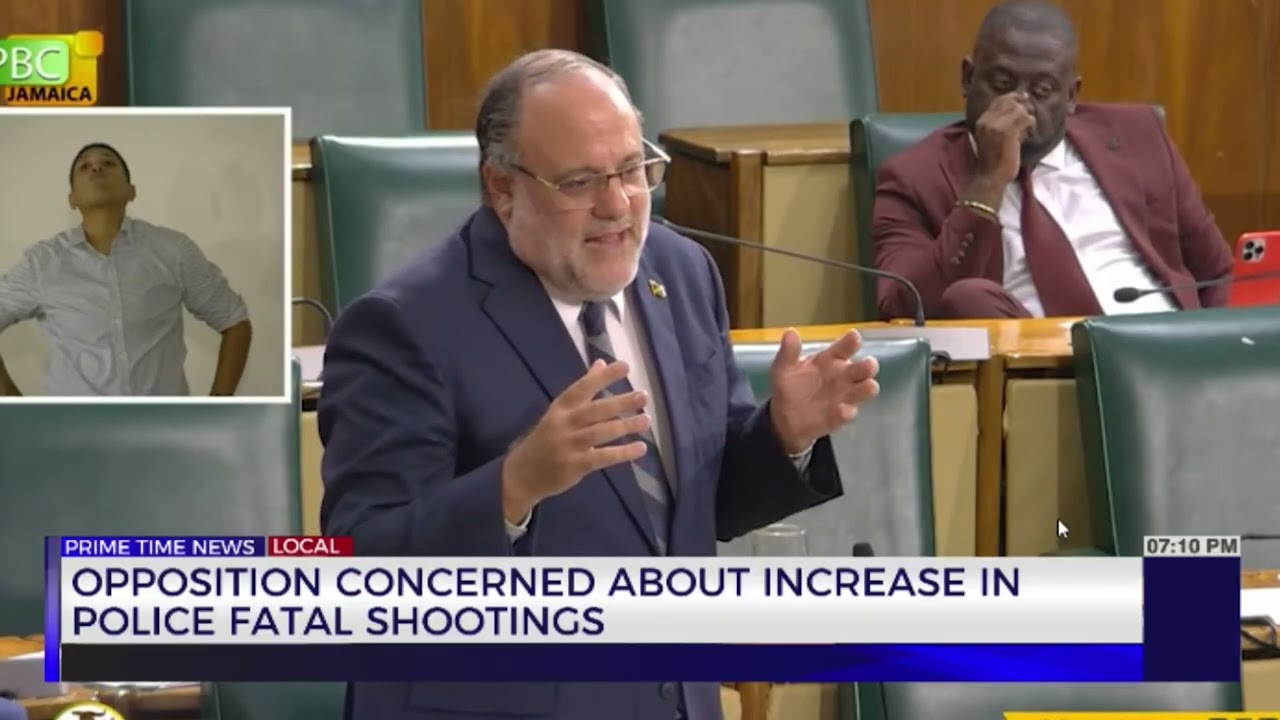
Opposition Concerned about Increase in Police Fatal Shootings | TVJ News
Television Jamaica (Video)Watch
Aubrey Stewart | Navigating democracy’s necessary tension
Jamaica Gleaner
Government Advancing Full Rollout of Integrated Police Camera Systems to Strengthen Accountability and Operational Effectiveness
Office of the Prime Minister