
Jamaica child-spend study flags budget clarity gap as officials and UNICEF back tighter tracking
On 14 May 2026, researchers, United Nations Children’s Fund officers and Jamaica’s Ministry of Education, Youth and Information aired findings that public money for children is sizeable but hard to follow in official accounts, weakening the link between spending and measurable gains for young people.
An Education Ministry representative, named in the session as Dr Carr, said early-years schemes such as stimulation and “brain builders” work sit inside a wider chain of parental help, early intervention and clinical support. The ministry said it will keep working with UNICEF, CAPRI, the health ministry, the labour and social security ministry and other partners to shore up support from birth onward.
The same official conceded difficulty seeing some programmes in published budgets because cash is grouped by administrative headings rather than by children as beneficiaries, which need not mean services are idle but does limit clarity. The ministry listed three follow-through steps: make child-focused reporting within the education vote easier to read; publish stronger output and outcome data for special education, early childhood, school meals and learning recovery; and team with the finance ministry, the Planning Institute of Jamaica, UNICEF and allies to improve child-centred expenditure tracking across government.
CAPRI’s lead researcher, addressed as Dr Thorburn, told the audience she had expected proof of underspending but instead found Jamaica already commits more funds than she had thought, while transparent accounting still lags. She traced CAPRI’s child work to a 2018 UNICEF situation analysis and said her team could line up budget proof for fourteen government pledges; four were fully delivered, sharing clear numeric targets, earmarked lines and accountability arrangements. She gave ramp installations that improved school access for children with special needs as one matched promise.
Most pledges were only partly met, some missed entirely, and foster-care funding alarmed her: real allocations fell steeply from the 2017–2018 period through 2024–2026 despite a policy shift toward family-based care. She noted domestic evidence that a foster placement costs far less than a residential children’s home.
Unicef’s Andre Miller cast the budget as a statement of national priorities, argued children rarely lobby for themselves, and backed “tagging” appropriations with codes tied to deprivation measures—vaccination counts, rural reach, sex and disability splits—so planners can judge coverage and adequacy. He recalled a World Bank public expenditure review showing roughly five percent of gross domestic product on education, strong regionally, yet thin early-childhood investment relative to returns, and pointed to PATH cash transfers, school feeding and free paediatric hospital access as models where money reaches children.
Dr Thorburn cited Jamaica’s long-run stimulation trial: mothers coached to engage infants saw adult offspring with better schooling, work, health and roughly one-quarter higher earnings than a control group, underscoring the first thousand days. She also flagged mental-health and social-work shortfalls—only a little over a thousand social workers where roughly three thousand are needed—and said much child-related capital flows through bodies such as JSIF, CHASE and the NHT without child-disaggregated reporting.
Miller, paraphrasing a young advocate, said, “We want to see the numbers match the words.” Dr Thorburn urged citizens to insist that elected leaders and public servants answer for delivery.
Syndicated from PBC Jamaica (Video) · originally published .
Legal context · powered by Jurifi
Get the legal angle on this story. Pick a prompt and Jurifi's AI will explain it using Jamaican law.
AI replies are based on Jamaican law via Jurifi. Not legal advice.
Other coverage
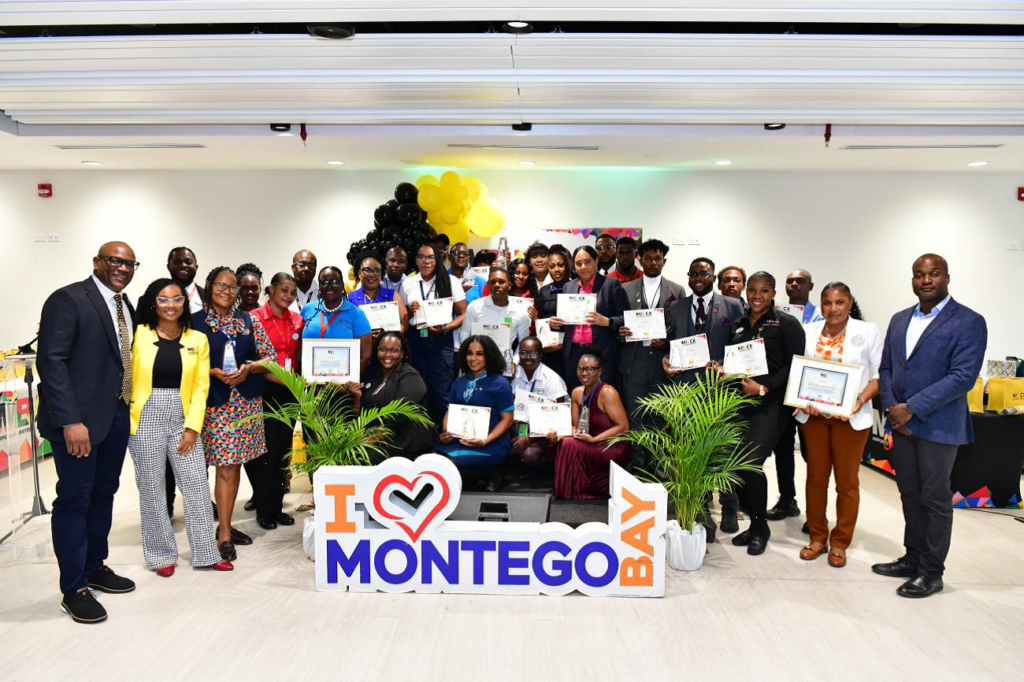
SIA turns the spotlight on its people at Fourth Annual Customer Experience Award
Jamaica Observer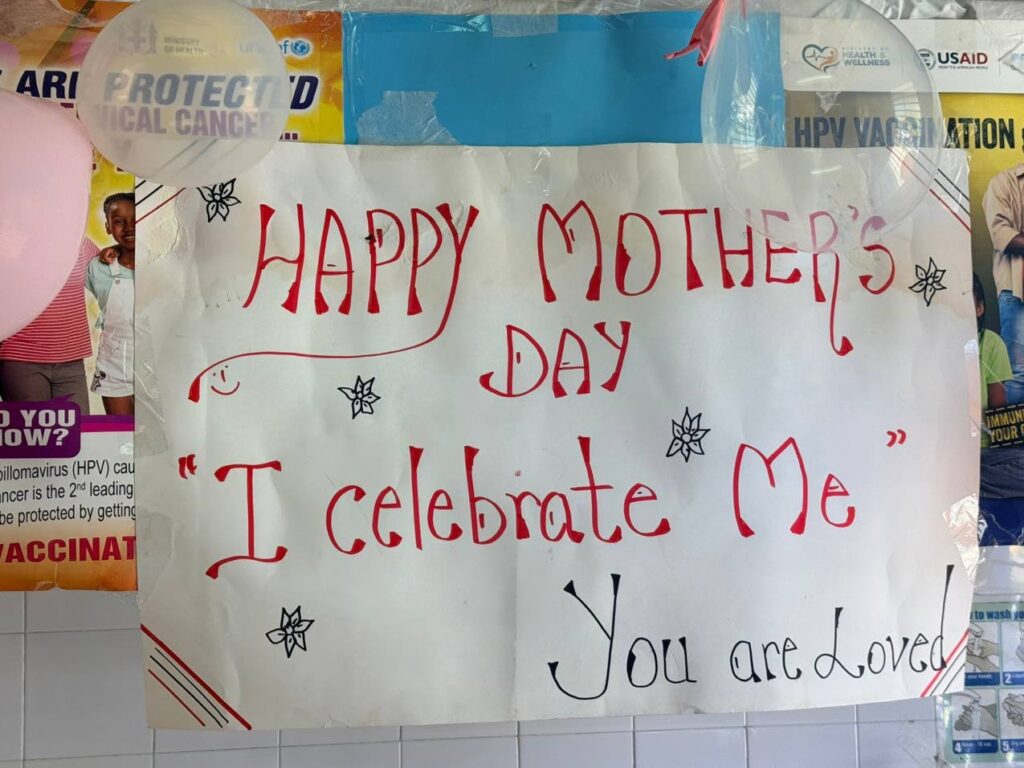
Some mothers left in tears after Maxfield Park clinic surprise
Jamaica Observer
Virtual push for real estate
Jamaica Observer
‘What’s this groove becoming?!’ How The Harder They Come captured 70s Jamaica and blazed on to stage
The Guardian (Jamaica)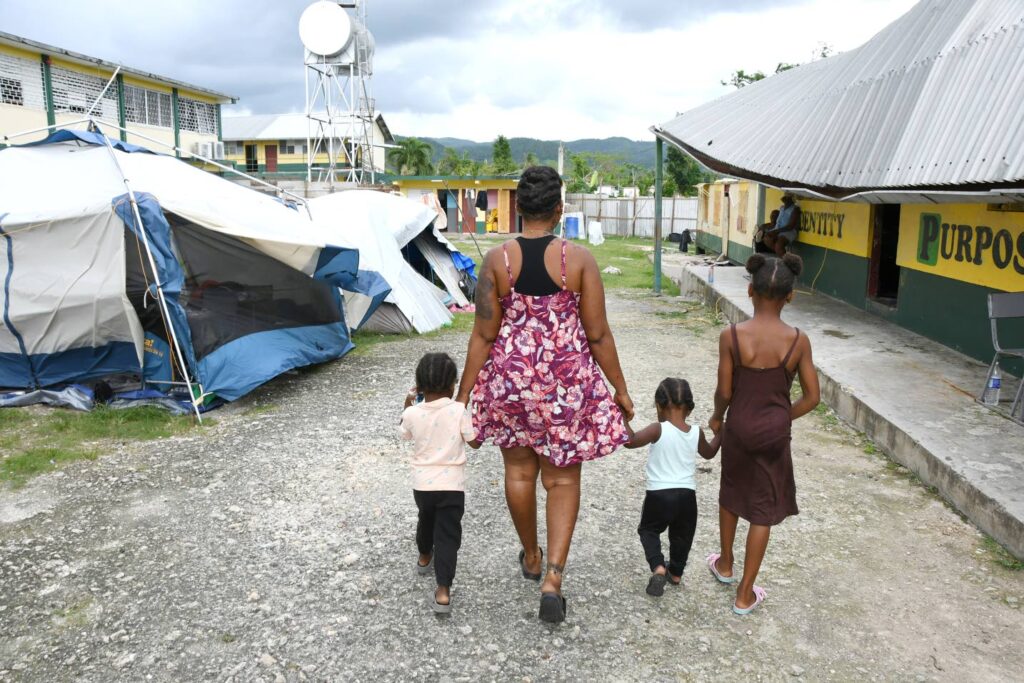
Shelter moms
Jamaica Observer