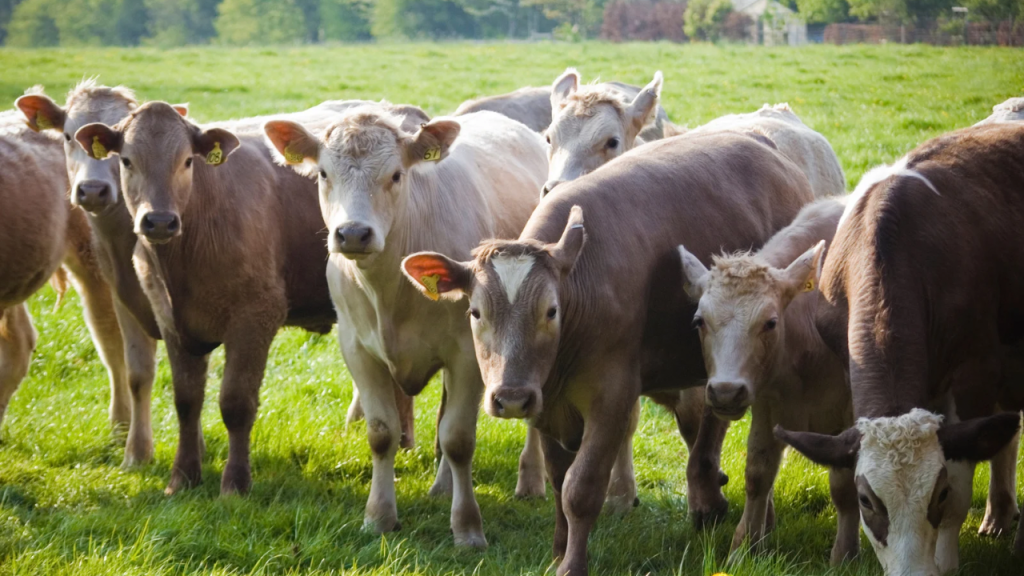

KINGSTON, Jamaica — The Rural Agricultural Development Authority (RADA) is urging livestock farmers across Jamaica to take proactive steps to protect their animals from rising temperatures, warning that heat stress can severely impact animal health, productivity and survival.
Senior Livestock Specialist at RADA, Maxine Brown, said keeping animals properly hydrated with cool, potable water is one of the most effective ways to reduce the effects of heat stress.
“Animals are really supposed to be drinking what we call potable water, the same kind of water that we drink,” Brown said in an interview with JIS News.
She advised farmers to keep water supplies cool by painting water tanks white instead of black to reflect heat and, where possible, adding ice to drinking water.
“If the water is warm or hot, then the animals are not going to drink it and if the animals are not drinking, then that means they become dehydrated and you run the risk of losing them,” she explained.
Brown also encouraged livestock owners to provide electrolytes and other nutritional supplements, which are available at farm stores, to help animals regulate their body temperatures.
She noted that sprinkler and misting systems, including automated temperature-controlled units, can also help animals cope with extreme heat.
Particular attention should be given to pigs, which are unable to regulate their body temperature efficiently, making them especially vulnerable during hot weather.
Brown also stressed the importance of proper housing design, particularly for poultry. She recommended that poultry houses be built in an east-to-west orientation to minimise direct sun exposure and ensure adequate ventilation.
Farmers were further advised to keep poultry house curtains open longer during warm nights and use fans to improve airflow where necessary.
“Once your animals are comfortable, they will continue to produce and reproduce,” Brown said.
RADA is encouraging livestock owners to seek technical guidance before establishing livestock operations to ensure housing structures are properly designed for Jamaica’s climate.
Farmers seeking advice are encouraged to visit their nearest RADA office or contact the agency for technical support.