

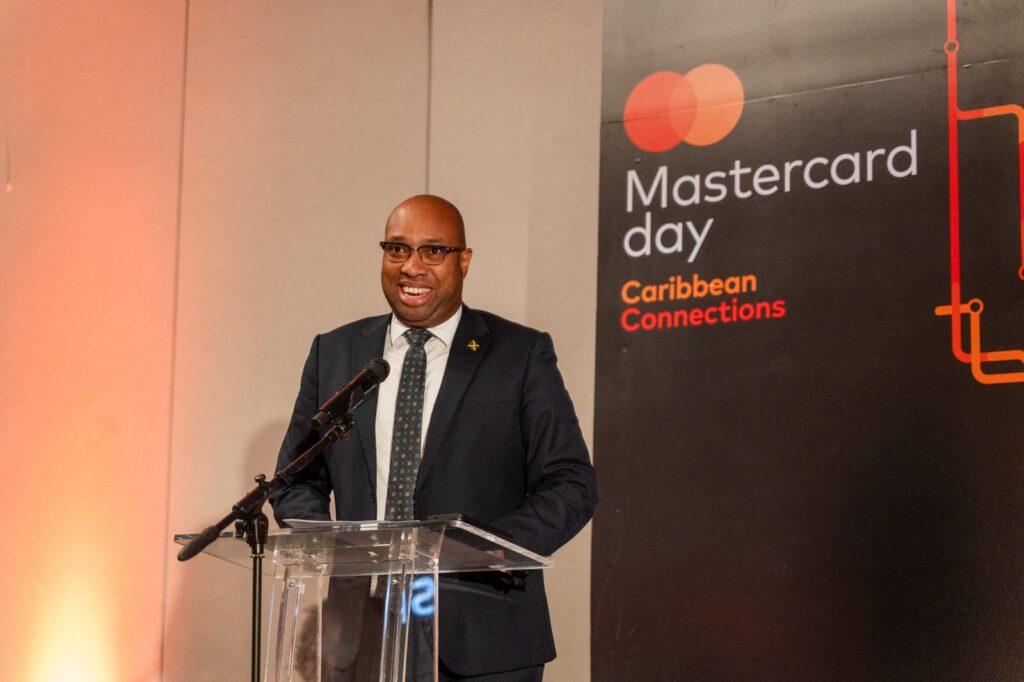
State Minister in the Ministry of Industry, Investment and Commerce, Delano Seiveright, has joined Mastercard in calling for greater adoption of digital payments among Jamaica’s micro, small and medium-sized enterprises (MSMEs), arguing that broader payment options can help businesses grow, reach more customers and strengthen long-term competitiveness.
Speaking at the recent Mastercard Day Jamaica 2026 at the AC Marriott Hotel in Kingston, Seiveright said Jamaican businesses must increasingly position themselves to meet the changing expectations of consumers while taking advantage of emerging opportunities in the digital economy.
“Cash isn’t going anywhere for now, but customers want options. Businesses that embrace digital payments alongside cash are better positioned to grow, compete and succeed in today’s economy,” Seiveright said.
He noted that Jamaica’s MSME sector remains the backbone of the national economy, with approximately 422,000 registered MSMEs accounting for roughly 80 per cent of jobs in Jamaica and supporting more than 1.1 million workers.
“The MSME sector is the economy. The small shop operator, market vendor, farmer, manufacturer, restaurant owner and online entrepreneur all have a vital role to play in Jamaica’s continued growth and prosperity,” he said.
Seiveright argued that digital payment adoption is becoming increasingly important as consumers demand greater convenience, speed and security in how they transact.
Recent research by Mastercard and Payments and Commerce Market Intelligence (PCMI) found that only about eight per cent of Jamaican merchants currently have point-of-sale systems to accept digital payments, despite growing demand from consumers for more payment options. The study also found that cash still accounts for approximately 72 per cent of personal consumption spending in Jamaica, highlighting significant room for further digital adoption.
According to the research, businesses that adopt digital payment solutions can benefit from faster transactions, improved cash-flow management, stronger record-keeping, broader market reach and enhanced access to financing opportunities.
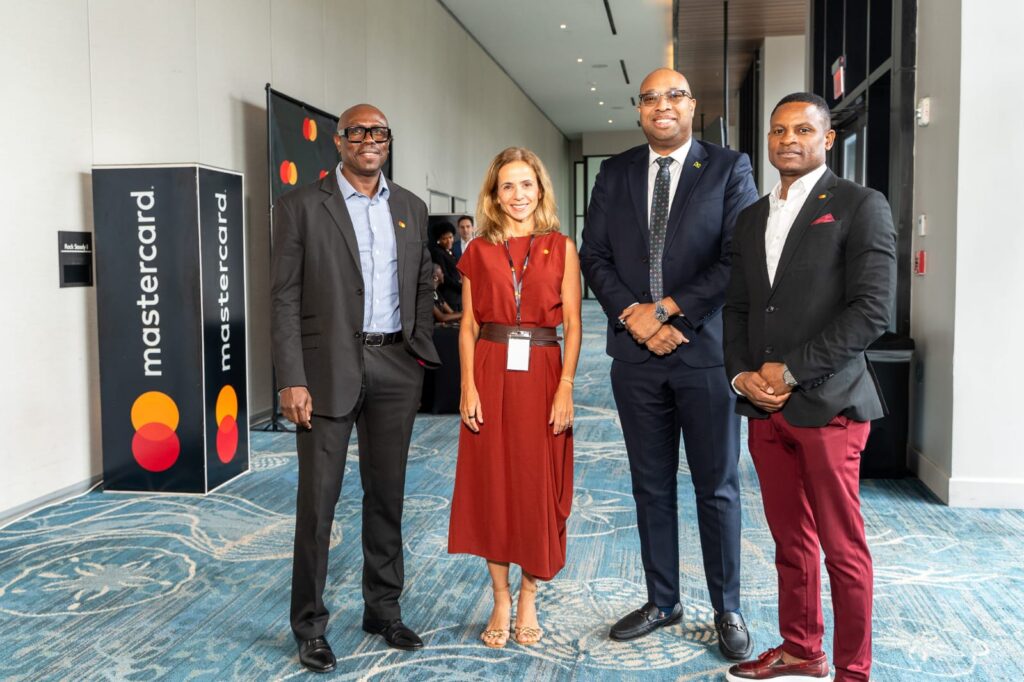
Seiveright said these benefits are especially important for MSMEs seeking to scale their operations and improve productivity. “The reality is that businesses which formalise, digitise and embrace modern payment systems are generally better positioned to attract customers, grow revenues, improve efficiency and access financing,” he said.
The state minister also highlighted recent Government measures aimed at supporting entrepreneurship and small business growth, including the increase in the General Consumption Tax (GCT) exemption threshold for MSMEs from J$10 million to J$15 million.
He further pointed to the work of key agencies under the Ministry of Industry, Investment and Commerce, including the Jamaica Business Development Corporation (JBDC), Companies Office of Jamaica (COJ), JAMPRO, the Fair Trading Commission (FTC) and the Consumer Affairs Commission (CAC), all of which continue to support business formalisation, entrepreneurship, investment and modernisation.
Seiveright also highlighted ongoing efforts within his constituency of St Andrew North Central to demonstrate how digital and financial inclusion can work at the community level.
He pointed to the introduction of digital payment solutions among vendors operating within the Manor Park Bus Lay-By and Vending Zone through a partnership involving Mastercard, NCB and Digicel.
The initiative is helping vendors who traditionally relied almost entirely on cash transactions to accept digital payments, broaden their customer base and build stronger financial records.
“Digital payments improve convenience, transparency, efficiency and security. But perhaps most importantly, they help create pathways to upward mobility and long-term economic empowerment,” Seiveright said.
He noted that the digital payments initiative forms part of a wider effort to modernise and improve the Manor Park commercial and transportation hub.
That broader redevelopment initiative has brought together a range of public and private-sector partners, including the Lake Group, PanJam Investment Limited, the Lisa Hanna Foundation, the Tourism Product Development Company (TPDCo), the Kingston and St Andrew Municipal Corporation (KSAMC) and others, with a focus on improving vendor facilities, commuter amenities, aesthetics, organisation and the overall customer experience.
Seiveright said the project demonstrates how practical partnerships can help unlock economic opportunity and improve quality of life within communities.
Mastercard Country Manager for Jamaica, Trinidad and Tobago, Barbados and the Eastern Caribbean, Dalton Fowles, said Mastercard remains committed to working alongside public and private-sector stakeholders to accelerate digital commerce and financial inclusion across the region.
“Mastercard Day Jamaica has become an important platform to align vision, innovation, and collaboration around the future of digital commerce across Jamaica and the wider Caribbean,” Fowles said. “This space reflects our commitment to continue building alongside our partners a more inclusive, secure, and future-ready payments ecosystem that can help drive the region’s next stage of growth.”
Seiveright said Jamaica’s future competitiveness will increasingly depend on ensuring that businesses of all sizes can participate fully in the evolving digital economy.
“Whether we are talking about infrastructure, business development, financial inclusion or innovation, partnerships matter. The businesses that thrive over the next decade will increasingly be those that are adaptable, customer-focused and prepared to embrace new opportunities,” he said.
Syndicated from Our Today · originally published .
Legal context · powered by Jurifi
Get the legal angle on this story. Pick a prompt and Jurifi's AI will explain it using Jamaican law.
AI replies are based on Jamaican law via Jurifi. Not legal advice.
Other coverage

Jamaica Working With WIPO To Strength IP Protection
Miic
GOJ SIGNS J$1.7 BILLION FINANCING AGREEMENT WITH THE EU FOR THE DIGITAL JAMAICA PROGRAMME
Ministry of Finance
Treasure Beach to spark south coast expansion
MiicGov’t Making IP A Strategic Economic Asset – Minister Hill
Miic
Push on for greater digital inclusion in financial services
Radio Jamaica News Online