
USS Nimitz visit to Kingston Harbour prompts calls for clarity and Ebola readiness
The USS Nimitz docked at Kingston Harbour on Monday morning, with government representatives, police and Jamaica Defence Force personnel expected to tour the United States aircraft carrier. The visit is part of the final stop in the United States Southern Seas 2026 deployment.
The vessel, among the world’s largest aircraft carriers, is more than 1,000 feet long. It was commissioned in 1975, is now 51 years old, and is scheduled to be taken out of service in 2027. Information Minister Senator Dana Morris Dixon, who toured the ship on Saturday, said the visit reflected the long-standing relationship between Jamaica and the United States, describing the bond between both countries as “unshakable and unbreakable.”
Political scientist Damian Gordon is pressing the Government to respond directly to public questions about the docking. He said unease over the visit is reasonable given wider geopolitical tensions and United States policy toward Cuba. Gordon argued that, with Cuba facing sanctions and a humanitarian crisis, some people in the region may interpret the ship’s presence as a sign of alignment, or even complicity, unless the Government explains the purpose of the visit.
The USS Nimitz had previously visited Panama, Chile, Argentina and Brazil, and hosted officials from Guyana and Suriname before arriving in Jamaica.
In a separate health matter, medical expert Dr. Winston Daws is urging the Ministry of Health and Wellness to establish dedicated quarantine facilities for travellers coming from countries affected by Ebola. His call follows reports that eight passengers entering Jamaica had recent travel links to affected areas and were placed under mandatory self-quarantine and monitoring.
Daws warned that self-isolation may not be enough if any traveller is infected, as Ebola’s incubation period can run from two to 21 days and symptoms may appear after about a week. He said people can seem well on arrival but later become seriously ill, raising the risk of household or wider exposure.
He also called for adequate hazmat suits and protective equipment for health-care workers, saying Jamaica must remain alert as global travel, reduced international funding and conditions in affected war zones complicate Ebola containment. Ebola is rare but often deadly, with early symptoms including fever, severe headache, fatigue, muscle and joint pain, sore throat and weakness. Severe illness can include vomiting, diarrhoea and abdominal pain.
Syndicated from Television Jamaica (Video) · originally published .
Legal context · powered by Jurifi
Get the legal angle on this story. Pick a prompt and Jurifi's AI will explain it using Jamaican law.
AI replies are based on Jamaican law via Jurifi. Not legal advice.
Other coverage

Gael Monfils bids Roland-Garros farewell after falling to Hugo Gaston
Our Today
Chilling threat
Jamaica Observer
Sunday Sips with HG Helps | Why Anderson for NaRRA job?, Lisa Hanna and rumours, Any hope for fixing potholes?, and a lesson in football for Jamaica
Our Today
5 Questions With Jermaine Edwards
Jamaica Gleaner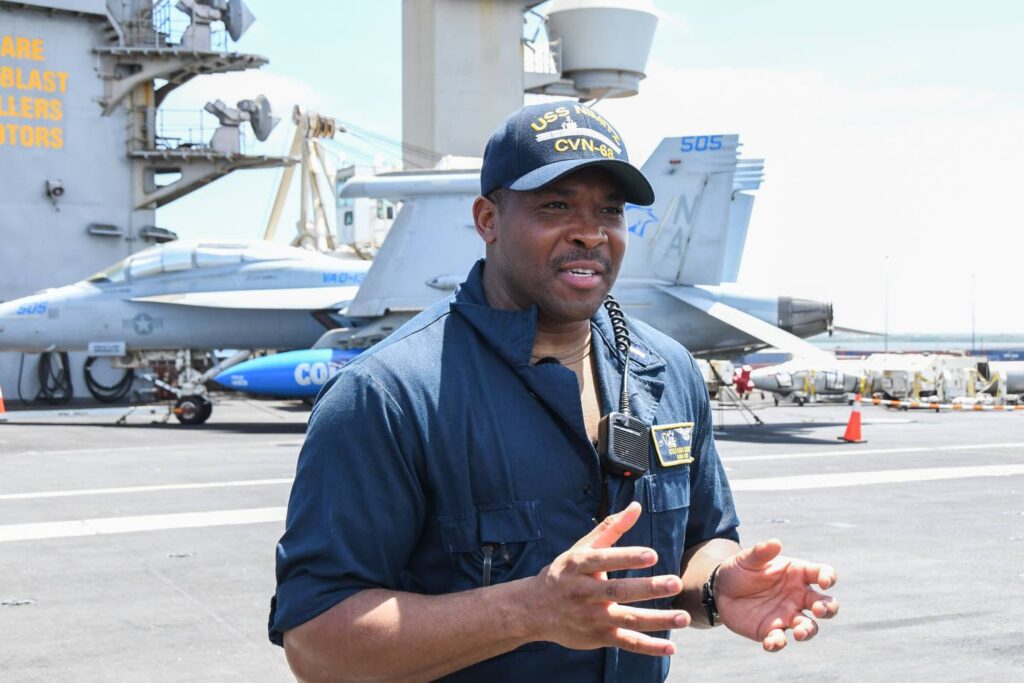
The long voyage home
Jamaica Observer