
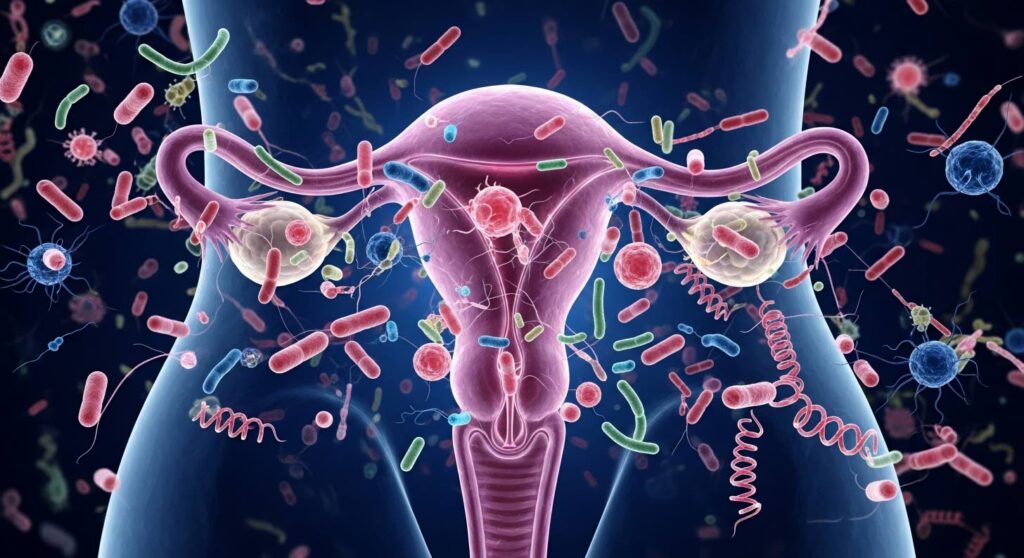
Recurrent vaginal infections: Achieving the perfect balance of bacterial flora
SHE sat across from me looking extremely defeated.
Sandra, a 34-year-old schoolteacher, was extremely frustrated. This visit to me, made the fourth obstetrician/gynaecologist (ob/gyn) visit within six months. She had exhausted all oral antifungals/antibiotics and vaginal inserts, gels/creams and even the probiotic yoghurt someone at church had recommended, all resulting in temporary relief. Yet, she was in my office with the same complaint – an offensive, recurrent vaginal discharge that has been affecting her confidence, quality of life and her intimate relationships.
“Dr Daley, I do everything right – I exercise, shower frequently, don’t use scented lotions or soaps, change my sanitary products frequently and have a healthy diet! Nothing works! What is the cause?”
It’s a question I am asked at least once per week by a patient.
Traditional antibiotics and antifungals have always been the first line of treatment for abnormal discharge. Though effective in most cases, a small amount of women suffer from recurrent infections. In 2026, we need to reassess the treatment protocol and focus on the cause of the discharge. Changes in pH of the vaginal flora allows overgrowth of bacteria or yeast which leads to an abnormal discharge. How do we achieve the ideal balance of the good bacteria of the female genital tract?
Let us talk about probiotics and why, as an ob/gyn, I believe they deserve far more attention than they currently receive in our conversations about women’s health.
The vaginal microbiome: Your first line of defence
The healthy vagina is not sterile. It is home to a carefully balanced community of microorganisms referred to as the flora. It is dominated predominantly by lactobacillus species, particularly lactobacillus crispatus and lactobacillus iners. These organisms produce lactic acid, which maintains a low vaginal pH (ideally between 3.8 and 4.5), creating an environment that is hostile to pathogenic bacteria, fungi, and certain sexually transmitted organisms.
Though sometimes sporadic, this balance can be disrupted through antibiotic use, hormonal changes, sexual activity, excessive hygiene practices, or even dietary habits. Additionally, humidity and the tropical climates can also cause the protective lactobacilli then decline and opportunistic organisms take over. The result is what we see clinically: bacterial vaginosis (BV) or vulvovaginal candidiasis (yeast), each presenting with an abnormal discharge that sends women back to the doctor’s office, time and time again.
Where probiotics come in
Probiotics are live microorganisms that, when administered in adequate amounts, provide health benefits to the host. The concept is not new, but its application to vaginal health is an area of growing and compelling clinical evidence.
The rationale is straightforward. If recurrent vaginal infections are fundamentally a problem of microbial imbalance, then restoring the balance rather than simply killing off the offending organisms offers a more durable solution. The age old adage prevails, “prevention is better than cure”. This is what well chosen probiotic therapy aims to do.
Several clinical studies have demonstrated that oral and vaginal probiotic preparations containing lactobacillus rhamnosus, lactobacillus acidophillus and lactobacillus reuteri can colonise the vagina when taken orally, re-establish a healthy microbiome, and significantly reduce the recurrence rate of bacterial vaginosis. In women with recurrent BV and/or yeast defined as three or more episodes per year, adjunctive probiotic therapy used alongside standard antibiotic and antifungal treatment has shown meaningful reductions in relapse compared to antibiotics/antifungals alone.
Who should consider probiotic therapy?
Dr Daryl Daley.
In my practice, I consider probiotics part of the management conversation for any woman who experiences:
•Recurrent BV particularly those who relapse within weeks of completing metronidazole or clindamycin therapy (the standard treatment for BV).
•Recurrent vaginal yeast infections, especially women who have been on multiple courses of antifungals with diminishing intervals between episodes.
•Women post broad spectrum antibiotic treatments. These treatments can devastate the vaginal flora alongside their intended targets and probiotic supplementation during and after treatment can help restore balance more quickly.
I also counsel women on lifestyle factors that complement probiotic therapy: avoiding douching (which remains unfortunately common in our setting), wearing breathable cotton underwear, limiting unnecessary antibiotic use, and understanding that heavily scented feminine hygiene products often do more harm than good.
Choosing the right probiotic
Not all probiotics are created equal, and this is where I urge women to be cautious. The market is flooded with products making broad claims. The strains that have the most robust clinical evidence for vaginal health are lactobacillus rhamnosus, lactobacillus acidophillus and lactobacillus reuteri available in combined oral capsule formulations. Some women also benefit from intravaginal probiotic preparations, particularly during the immediate post-treatment period.
Fermented foods such as natural yoghurt, kefir, and fermented vegetables provide general probiotic benefits, but the concentrations and strain specificity needed to reliably colonise the vaginal tract are best achieved through targeted supplementation.
I always recommend that women discuss probiotic therapy with their gynaecologist rather than self prescribing indefinitely, especially where the underlying diagnosis has not been properly confirmed. Not all discharge is BV or yeast — trichomoniasis and cervicitis have different treatments entirely, and misdiagnosis delays appropriate care. As such, a thorough examination and ruling out other conditions such as sexually transmitted infections, diabetes and cervicitis are crucial in the management of recurrent BV and yeast.
After a proper work-up confirming recurrent bacterial vaginosis, Sandra completed a course of vaginal metronidazole gel, followed immediately by a two-month course of combined oral lactobacillus rhamnosus, lactobacillus acidophillus , and lactobacillus reuteri supplementation.. Six months later, she returned for her follow-up with no recurrence. She was, in her words, “feeling like myself again“.
Sandra’s story is not unique. But it does not have to be the norm.
If you are struggling with recurrent vaginal discharge, I encourage you to have an open conversation with your doctor.
Probiotics are located locally in Jamaica. Speak with your ob/gyn for the right product.
Dr Daryl Daley, JP, is a cosmetic gynaecologist and obstetrician. He is located at 3D Gynaecology Limited, 23 Tangerine Place, Kingston 10. Feel free to contact Dr Daley at [email protected]
Syndicated from Jamaica Observer · originally published .
Legal context · powered by Jurifi
Get the legal angle on this story. Pick a prompt and Jurifi's AI will explain it using Jamaican law.
AI replies are based on Jamaican law via Jurifi. Not legal advice.
Other coverage

JISTV | National Environment & Planning Agency 25th Anniversary Distinguished Lecture
Jamaica Information Service (Video)Watch
Andrew Parsons | Dr ChatGPT now remarkably good at making diagnosis…but doctors still better at treatment decisions
Jamaica Gleaner
Twin sister obsessed with my fiancé
Jamaica Star
Wife didn’t want me to see her naked
Jamaica Star
Kristen Gyles | Every Hitler has a mom
Jamaica Gleaner