CISOCA investigators on Mother’s Day weigh child protection work against raising their own children
Two senior women attached to the Jamaica Constabulary Force’s Centre for the Investigation of Sexual Offences and Child Abuse (CISOCA) have described how front-line work on child maltreatment reshapes family routines, personal vigilance, and the way they counsel their own sons and daughters.
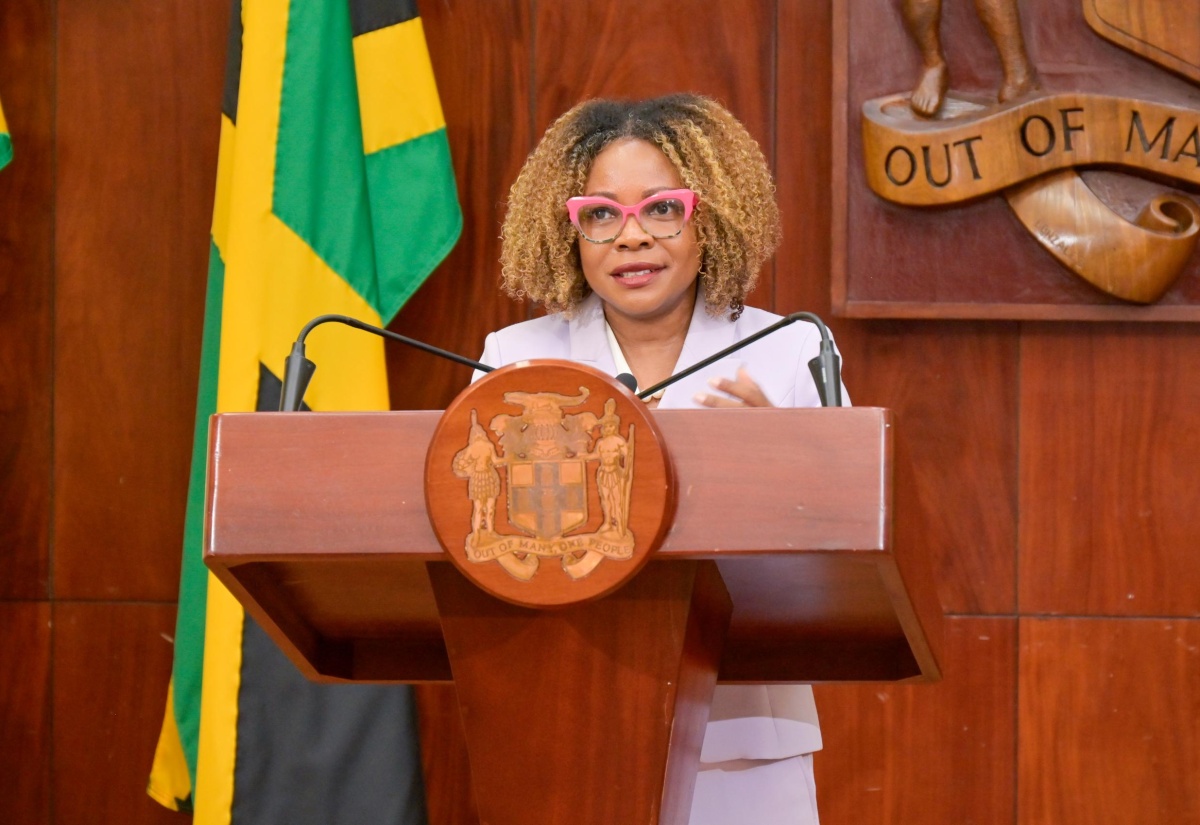
In a Mother’s Day discussion led by Senior Superintendent Dennis Brooks of the JCF, Detective Inspector Debia Jennings, a senior investigating officer, and Quality Assurance Officer Shereice Johnson said they deliberately draw a line between duty and home, yet the two spheres still influence each other. Both were already mothers before serving at CISOCA.
Jennings said exposure to how vulnerable minors are has tightened her approach to supervision, security, and reading shifts in mood or conduct. Johnson recalled being sent early in her posting to a hospital where an 18‑month‑old girl had been hurt; she tried to hold her composure until a clinician remarked on her tears. That moment, she said, underscored that officers feel deep emotion yet must still support victims, families, and herself; she went home and held her own child tightly.
The officers explained that “motherly instinct” helps them connect with young complainants—offering reassurance, food, or a hug when appropriate—while still performing their police role. They also spoke frankly about uneven presence at home: long hours, missed school events, and leaning on relatives, friends, and co‑workers when emergencies pull them away. Jennings cited a period when work crowded out awareness of her son’s milestones until a graduation notice jolted her to rebalance schedules.
On prevention, they favour age‑appropriate conversations rather than graphic detail: naming safe and unsafe touch, naming trusted adults children can tell, and treating secrecy (“don’t tell your mother”) as a warning sign. Both reported becoming stricter about sleepovers and unfamiliar environments, preferring to host friends where they can supervise, and stepping in when teenage chatter signals risky attitudes toward consent or the law.
They challenged the notion that only girls face harm, noting boys can be targeted—including by adults society stereotypes as harmless—and that cultural pressure to “be tough” can silence male victims. They urged fathers and other men to speak plainly to sons while mothers vary tone between guidance and firm correction as children mature.
Trusted caregivers and relatives featured repeatedly as potential risk when access is unsupervised. The officers urged parents to take the first hesitant refusal—“I don’t want to go there” or “I don’t want to sit on that lap”—seriously, saying dismissing an early disclosure can shut down future confidences and allow harm to deepen.
Asked about coping with secondary trauma, Jennings pointed to rest, family time, and occasional spa visits her son once arranged, adding light‑heartedly that partners could show more practical support on Mother’s Day. Johnson said she values light exercise, quiet reflection on positive things, and time with siblings and her son when duty allows. Brooks closed by commending police mothers nationwide for their service.
Syndicated from JCF — Jamaica Constabulary Force (Video) · originally published .
Legal context · powered by Jurifi
Get the legal angle on this story. Pick a prompt and Jurifi's AI will explain it using Jamaican law.
AI replies are based on Jamaican law via Jurifi. Not legal advice.