

Climate change, the decline of biodiversity and worsening damage to land are changing daily life for women, girls and wider communities. These pressures are placing food supply, personal safety, work, income and health under growing strain. For World Environment Day on June 5, UN Women urged governments, partner organisations and communities to move quickly on climate action and gender equality, saying the two issues are closely connected and cannot advance separately.
People with the least means are usually hit earliest and hardest when droughts become more severe, floods intensify, harvests fail, water becomes limited or unsafe, and other climate shocks take hold. According to UN Women’s analysis, these shocks are connected with higher levels of child marriage. The agency also says hotter conditions are linked to greater risks of babies being born too soon and of stillbirths.
Rural and Indigenous women are frequently among those who first feel the effects of environmental decline. UN Women said this is also true in Small Island Developing States and in countries dealing with desertification. At the same time, these women are helping to push back against the damage. They are guiding ecosystem-based responses, defending land and water, and supporting new approaches to adaptation, innovation and sustainable development. Women farmers are helping to protect food supplies while making communities better able to cope with climate stress. Women who defend environmental human rights continue their work despite threats, violence and intimidation.
UN Women said this year offers an important chance to move from international promises to practical results. Talks on climate change, biodiversity and land recovery, it said, must lead to real gains for women and girls. The organisation said women’s rights, leadership and full participation should shape environmental decisions, with proper funding and accountability behind those commitments.
The #NowForClimate appeal, UN Women said, is also a demand for faster progress on gender equality and for action against the gender-based violence that often comes with environmental and climate emergencies. Climate responses will be more just, more effective and more durable when women can safely and equally access leadership, resources, land, finance and opportunity. The agency said climate justice cannot be achieved without gender equality, and lasting climate solutions require the leadership of women and girls.
Syndicated from Jamaica Gleaner · originally published .
Legal context · powered by Jurifi
Get the legal angle on this story. Pick a prompt and Jurifi's AI will explain it using Jamaican law.
AI replies are based on Jamaican law via Jurifi. Not legal advice.
Other coverage
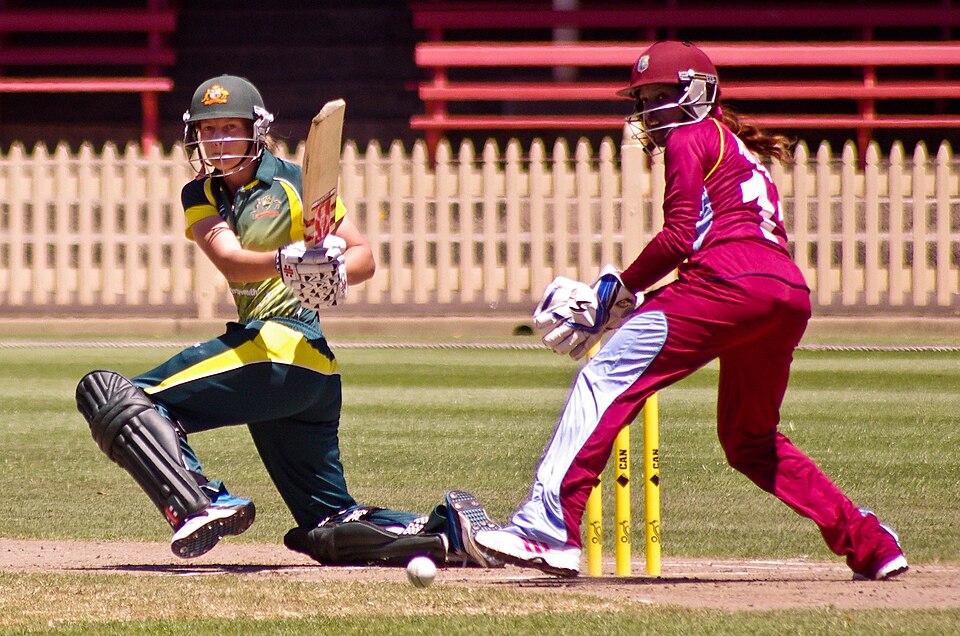
West Indies Women finish top of the table to win series
Caribbean Life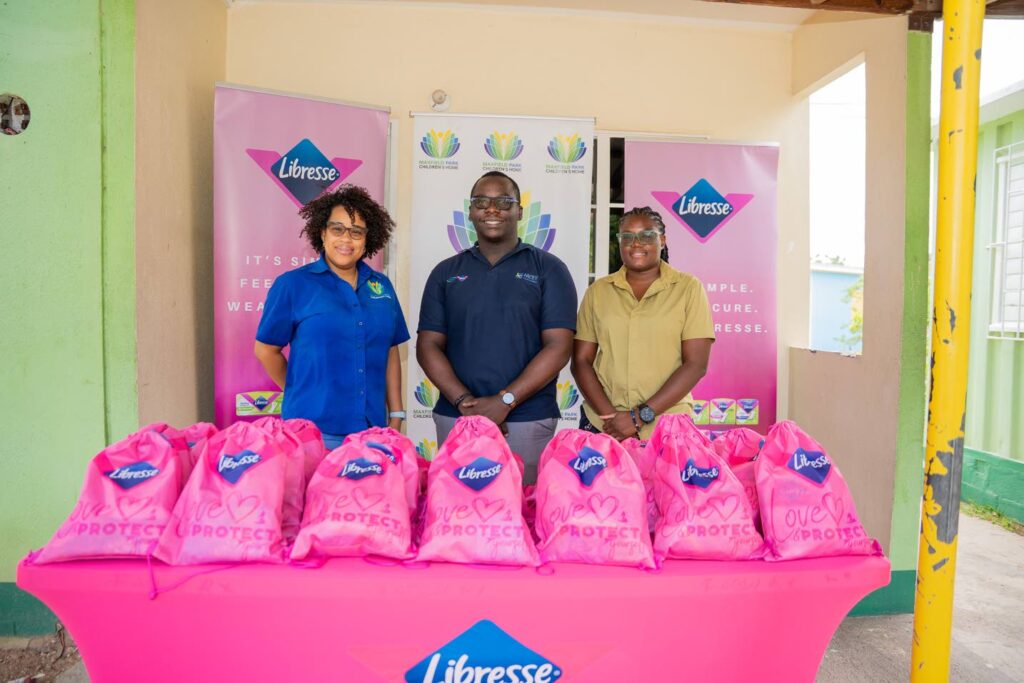
Libresse marks World Menstrual Hygiene Day with donations to needy women
Jamaica Observer
‘Listen to Me’ premieres on Black Public Media’s AfroPoP
Caribbean Life
Scotiabank Womenʼs Initiative Workshop empowers female entrepreneurs through technology
Our Today
Water Security, Climate Resilience and Environmental Protection for a Sustainable Jamaica
Jamaica Information Service (Video)Watch